
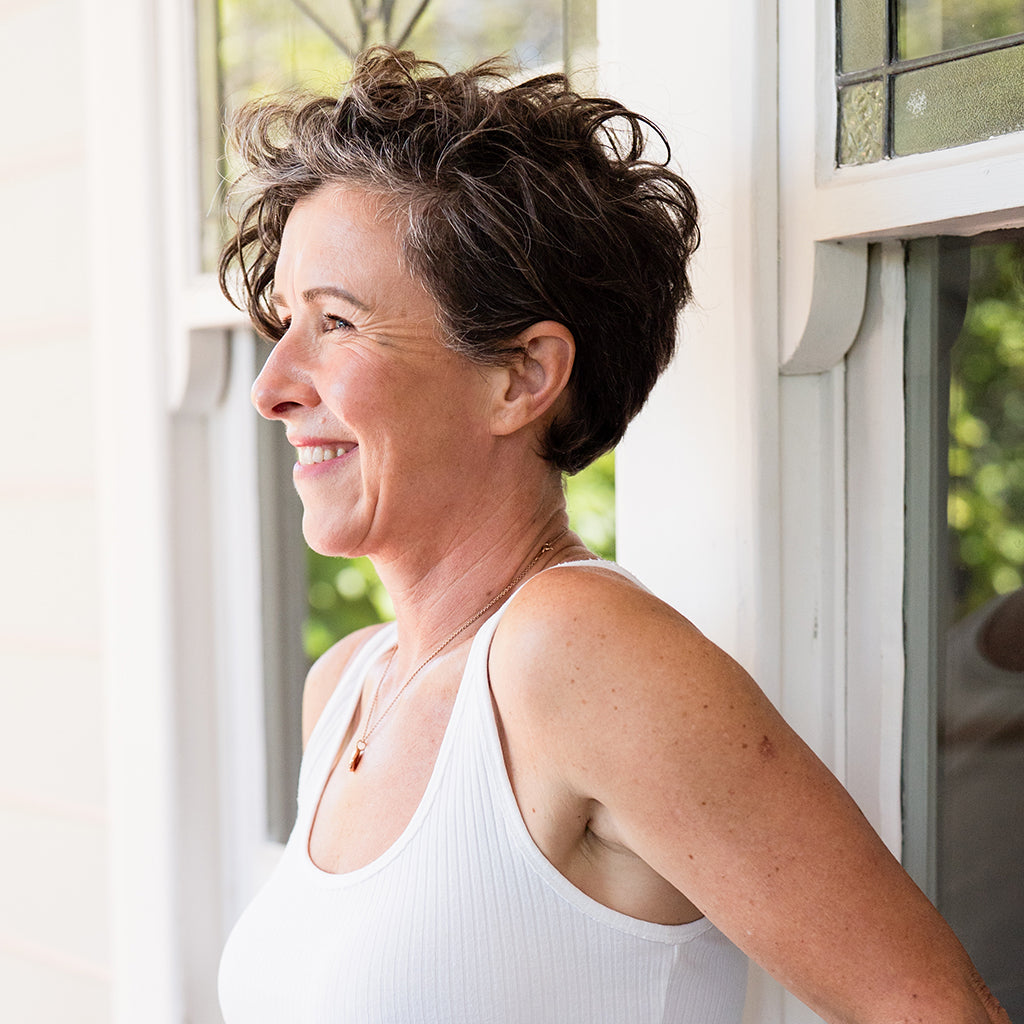






 For many years, protein powders seemed to belong to a very particular world: bodybuilders, gym devotees and enormous tubs covered in pictures of flexing muscles. They certainly didn’t feel especially relevant to the average woman simply wanting to care for herself as she grew older.
Thankfully, that conversation is changing, because protein is not just about building bigger muscles. It is one of the foundations of a strong, capable body - and maintaining that strength becomes increasingly important as the years roll on.
This isn’t about trying to become tiny, toned or twenty-five again. It’s about protecting our ability to carry the groceries, climb the stairs, lift a suitcase, get up from the floor and continue doing the things we love.
First, why does muscle matter so much?
It can be easy to think of muscle as something purely aesthetic, but muscle is active, useful tissue. It supports our movement, balance, posture and physical resilience. It helps us remain independent and gives us a stronger foundation from which to meet illness, injury and the ordinary demands of life.
From midlife onwards, we tend to gradually lose muscle mass and strength unless we give our bodies good reason - and the necessary building blocks - to retain them. This age-related decline becomes more pronounced in later life and may be accelerated by inactivity, inadequate nutrition or periods of illness.
That is why preserving muscle is not a project to begin in our seventies. The strength we build and protect in our forties, fifties and sixties is an investment in the decades ahead.
How ageing changes our response to protein
Protein provides amino acids, which the body uses to build and repair tissues, including muscle. When we eat protein, it usually stimulates muscle protein synthesis - the ongoing process through which muscle tissue is repaired and renewed. As we age, however, our muscles can become less responsive to the same stimulus. Researchers call this anabolic resistance.
In simple terms, a meal containing protein may not prompt quite the same muscle-building response in an older adult that it once did in a younger body. This does not mean our bodies can no longer build or maintain muscle. It means the quality, quantity and timing of our protein - and the stimulus created by exercise - may deserve more attention.
This is one reason protein becomes such an important part of the healthy-ageing conversation. It is also why protein and resistance training make such a powerful partnership: we give the muscle a reason to adapt through movement, then provide the amino acids it needs for repair and renewal.
Do our official protein requirements change?
The Australian and New Zealand Nutrient Reference Values currently recommend 46 grams of protein per day for women aged 51–70, increasing to 57 grams after the age of 70. These figures are population-level recommendations intended to meet the needs of most healthy people - not personalised targets for every body, lifestyle or training load.
There is also ongoing research and debate about whether the minimum recommendation is always optimal for preserving muscle in older adults, particularly for people who are very active, recovering from illness or trying to build strength.
Rather than becoming fixated on one perfect number, it can be more helpful to notice whether protein-rich foods appear regularly across your day and to seek individual guidance if your needs are affected by your health, appetite or activity level.
Why distribution across the day matters
Many women eat relatively little protein early in the day, perhaps having toast, cereal or fruit for breakfast and a light salad for lunch, before relying on the evening meal to provide most of it.
Dinner may be beautifully nourishing, but our bodies cannot go back and add that protein to the meals we missed. Research suggests that spreading protein more evenly across our meals may support the muscle protein synthesis response more effectively than saving the majority for one large evening serve.
That doesn’t mean every meal must be measured or calculated. A gentler place to begin is simply to look across your day and ask:
Where could I add a meaningful source of protein?
At breakfast, that might be Greek yoghurt, eggs, cottage cheese, nuts and seeds, or protein added to porridge or a smoothie. Lunch could include chicken, fish, tofu, tempeh, lentils, beans, eggs or leftover meat from dinner. Between meals, yoghurt, cheese, boiled eggs or a protein-rich smoothie can help turn a snack into something more sustaining.
A varied diet matters too. Animal proteins generally provide all nine essential amino acids, while eating a good variety of plant proteins across the day can also provide the amino acids our bodies need.
Protein powder is a tool, not a replacement for food
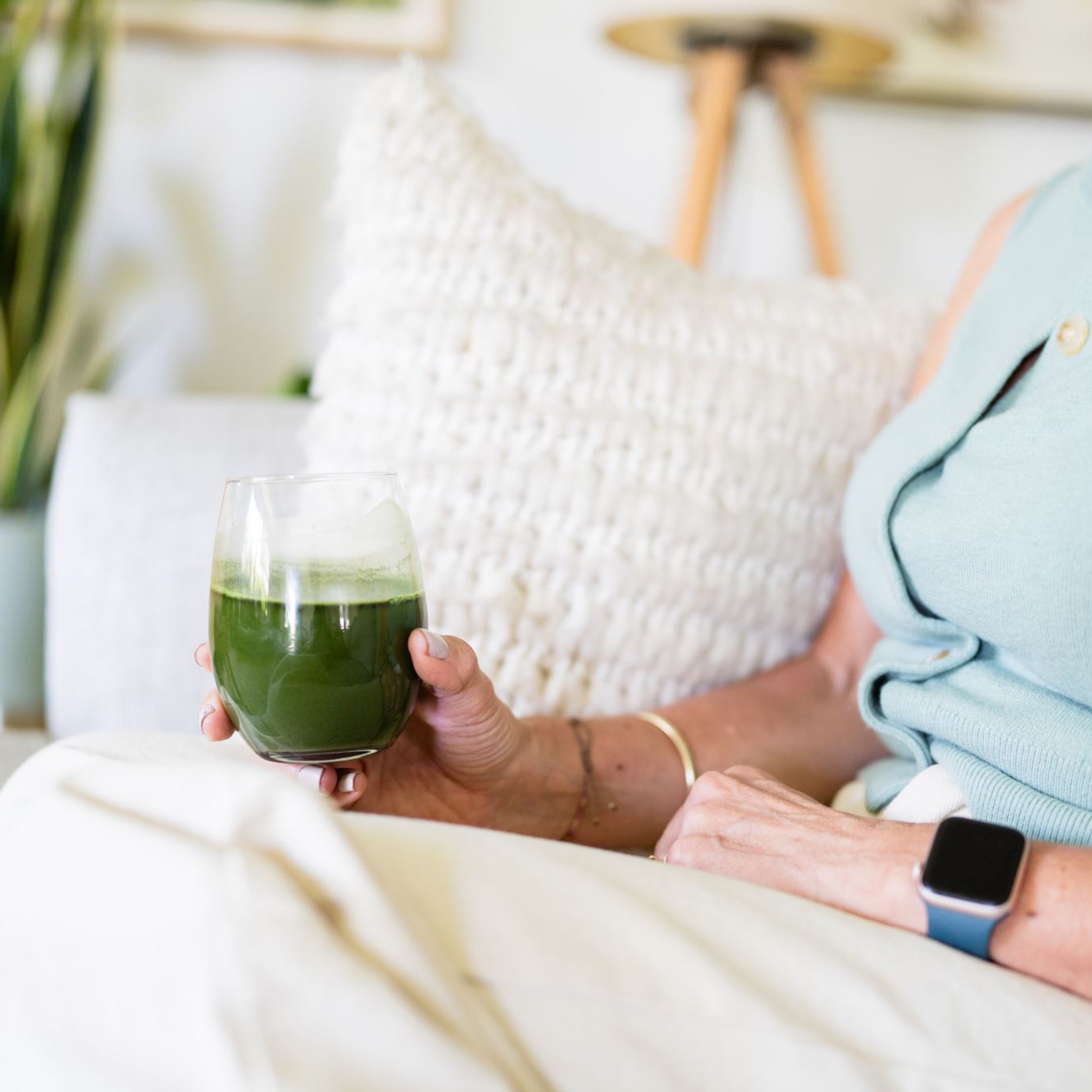
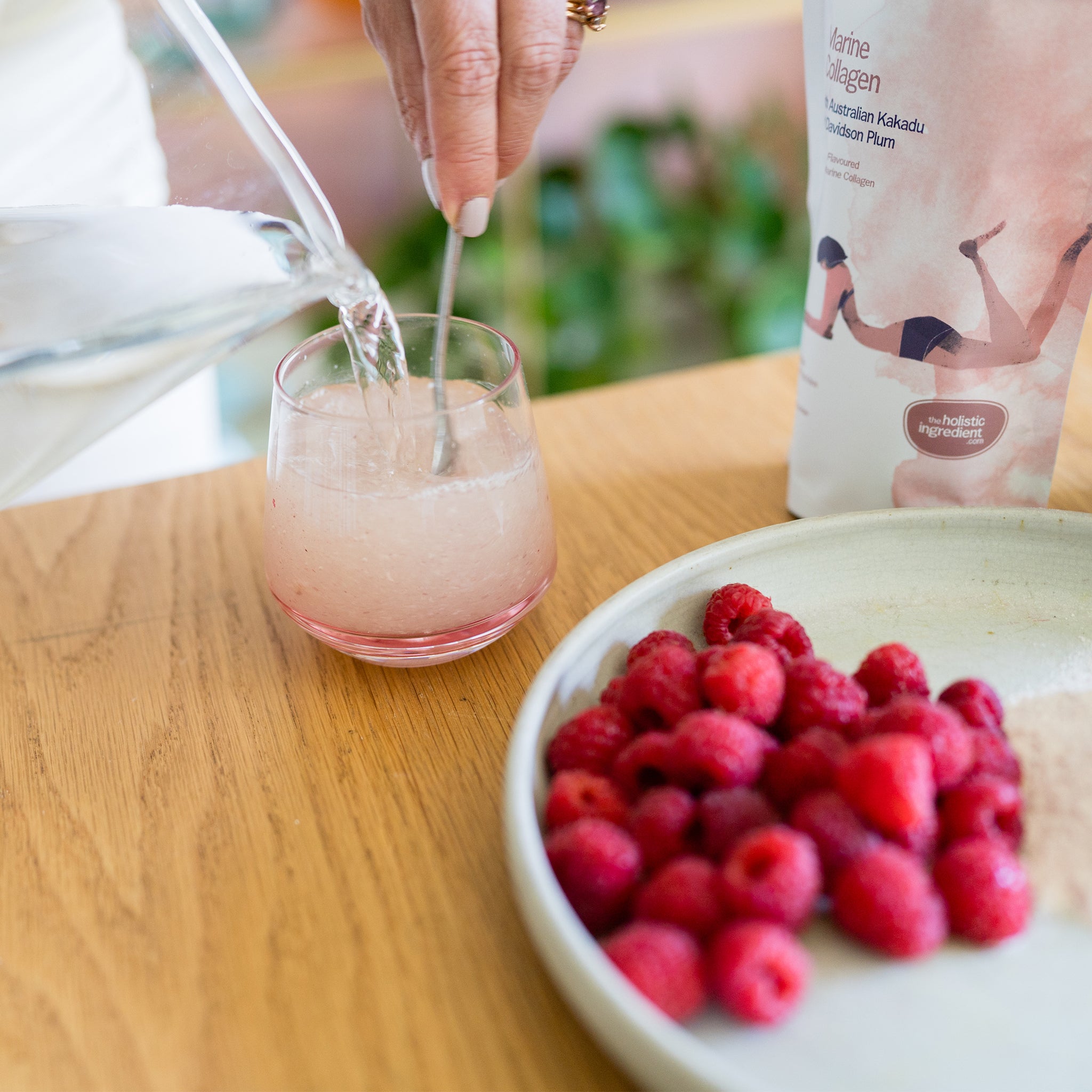
A protein powder is not compulsory, nor should it replace a varied and nourishing diet. It is simply a convenient tool. For many women, breakfast and snacks are the places where protein is most easily overlooked. Adding protein powder to a meal you already enjoy can be a practical way to improve its protein content without preparing an entirely separate meal.
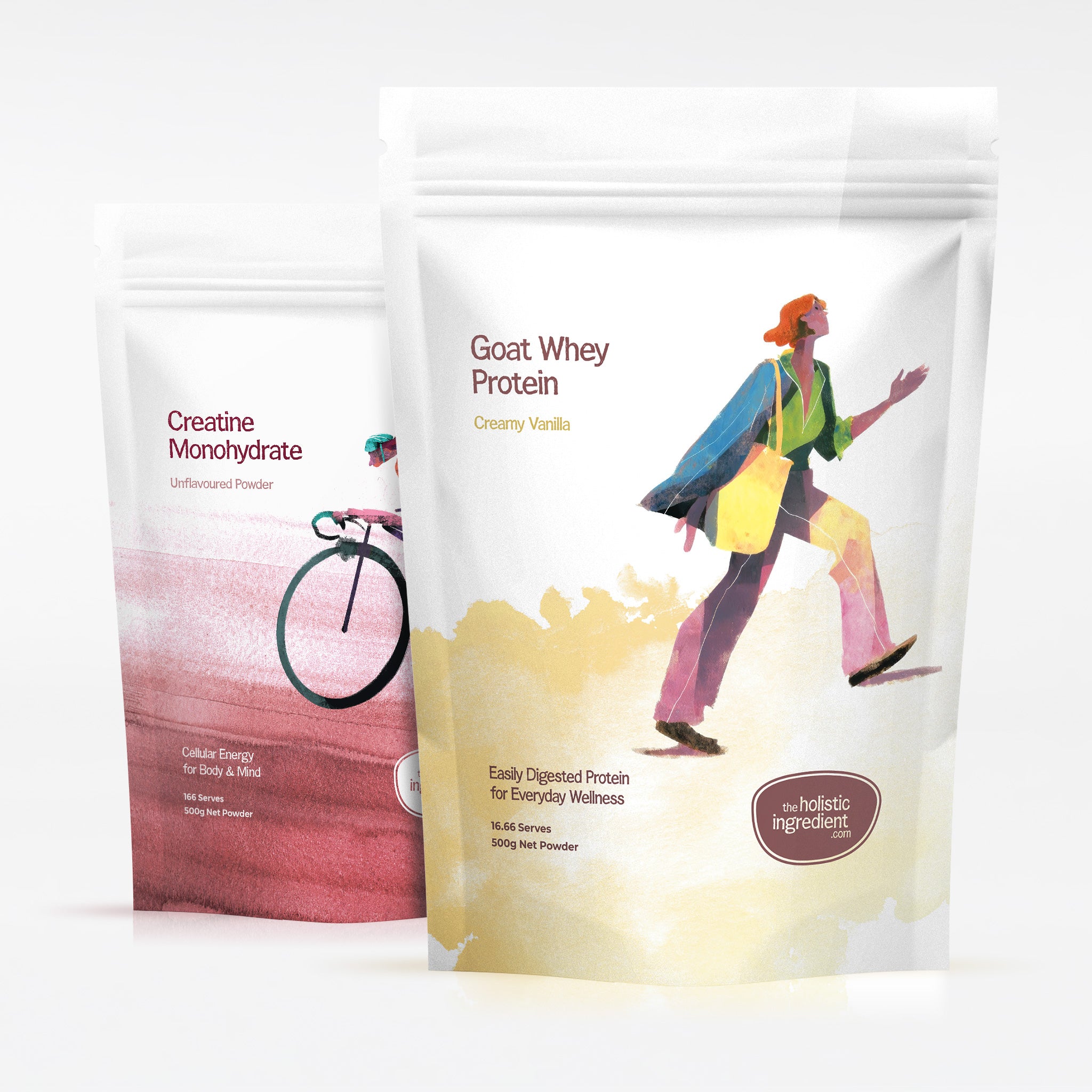
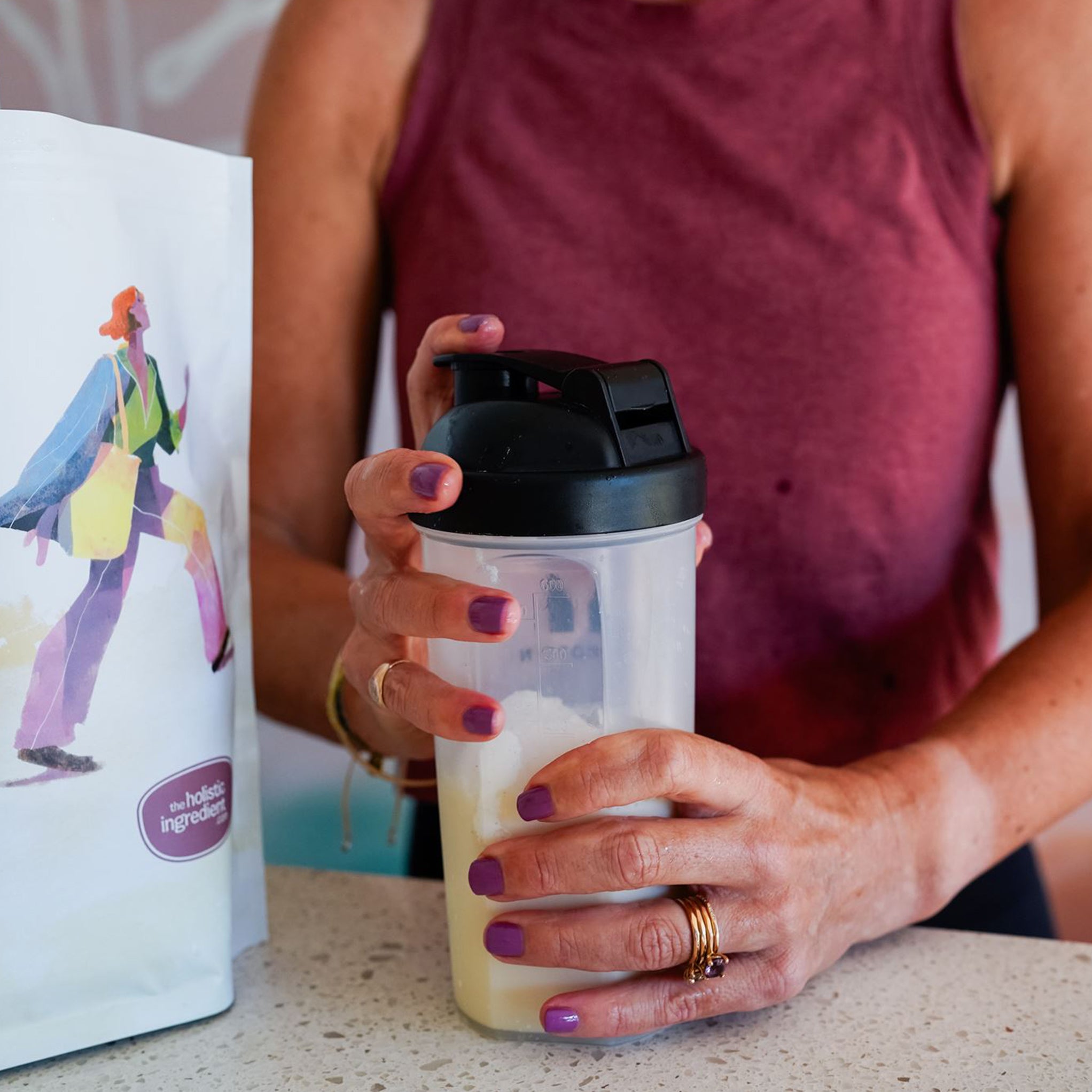
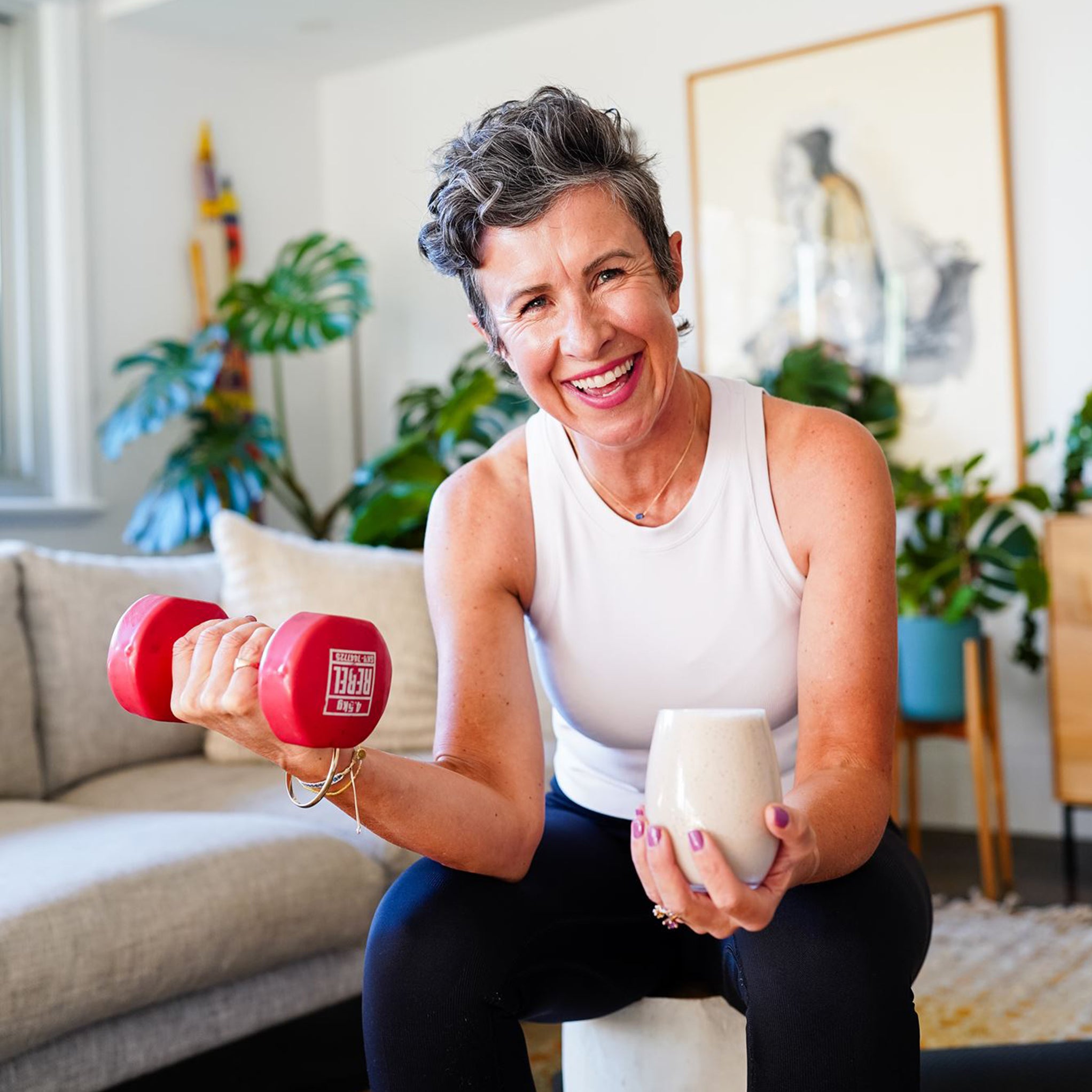
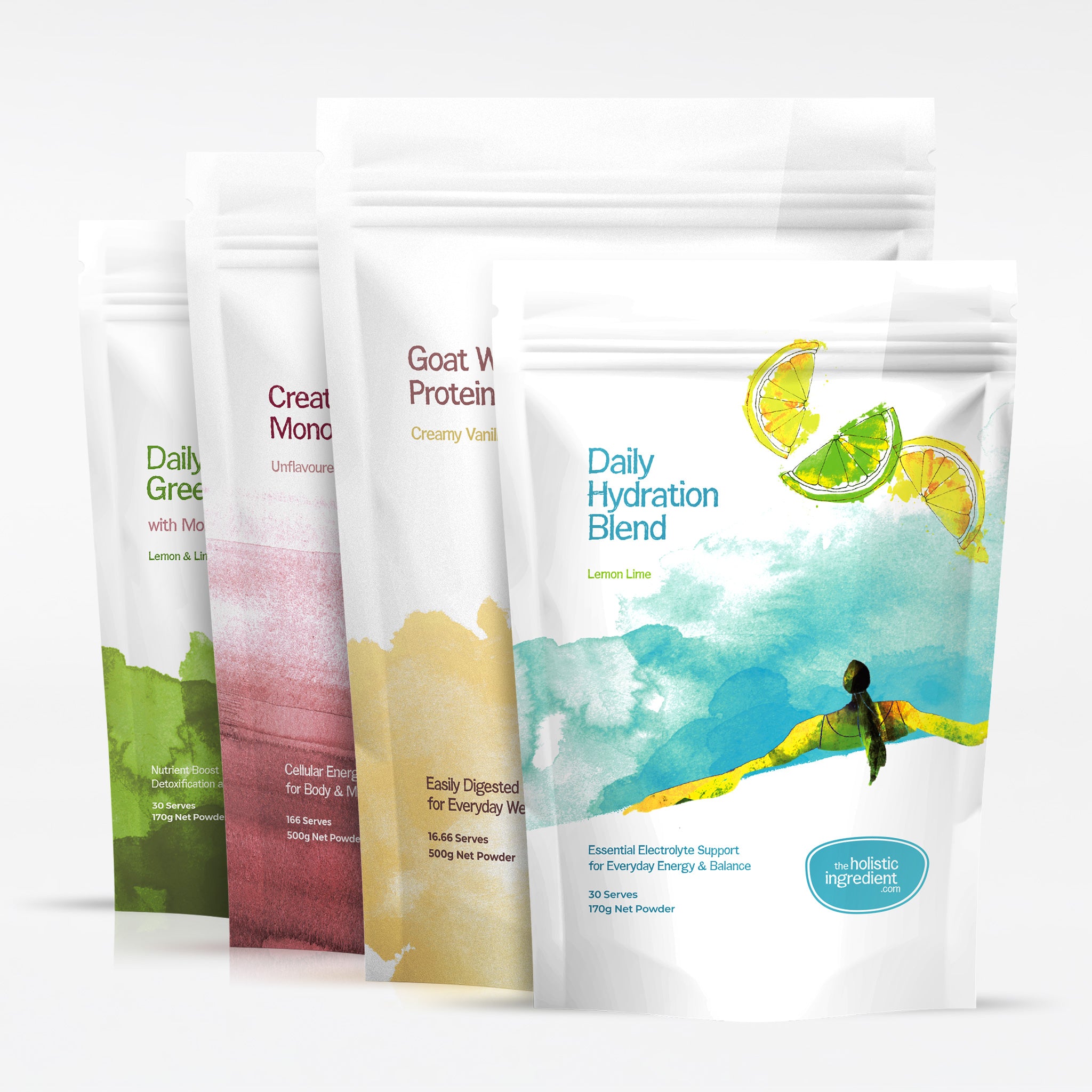
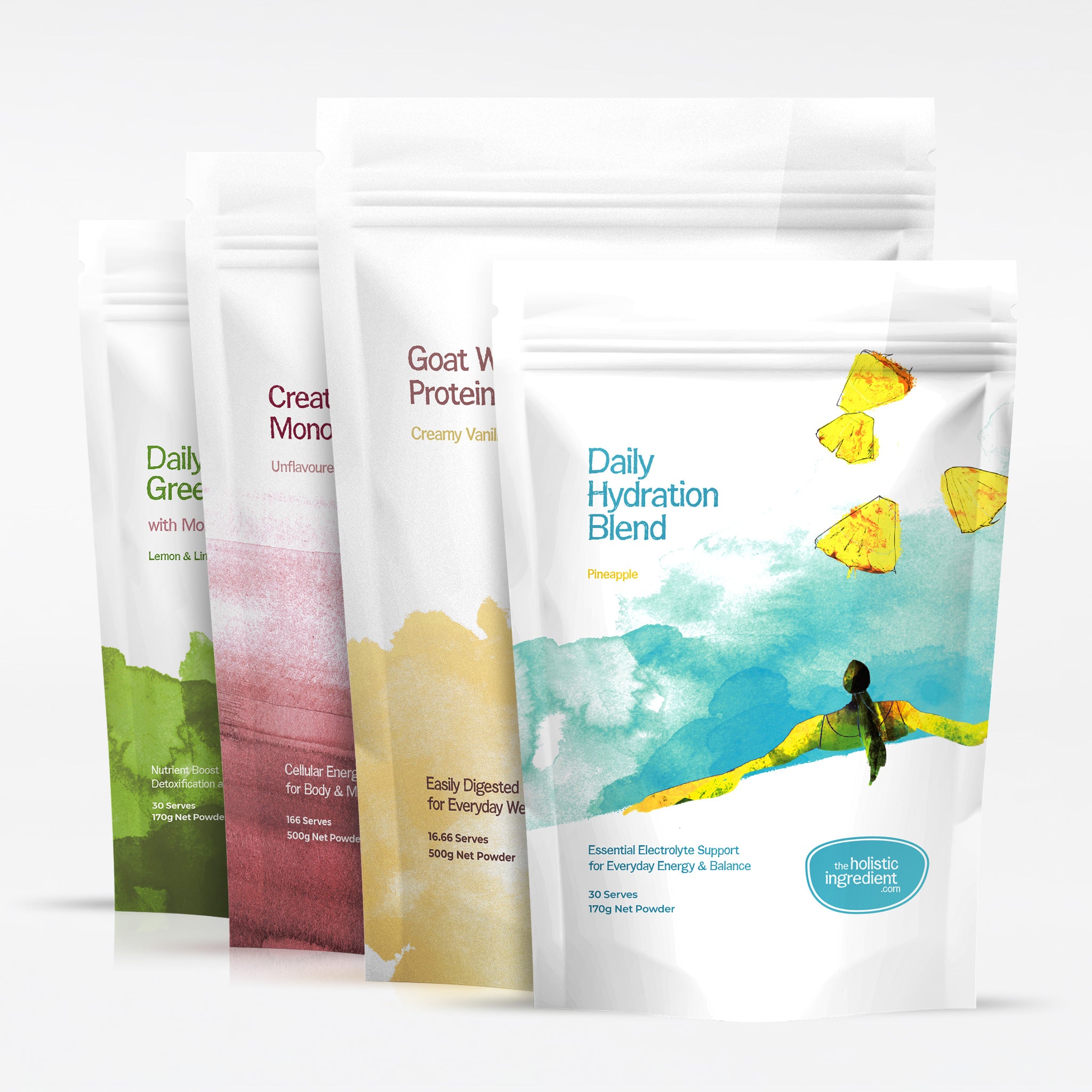
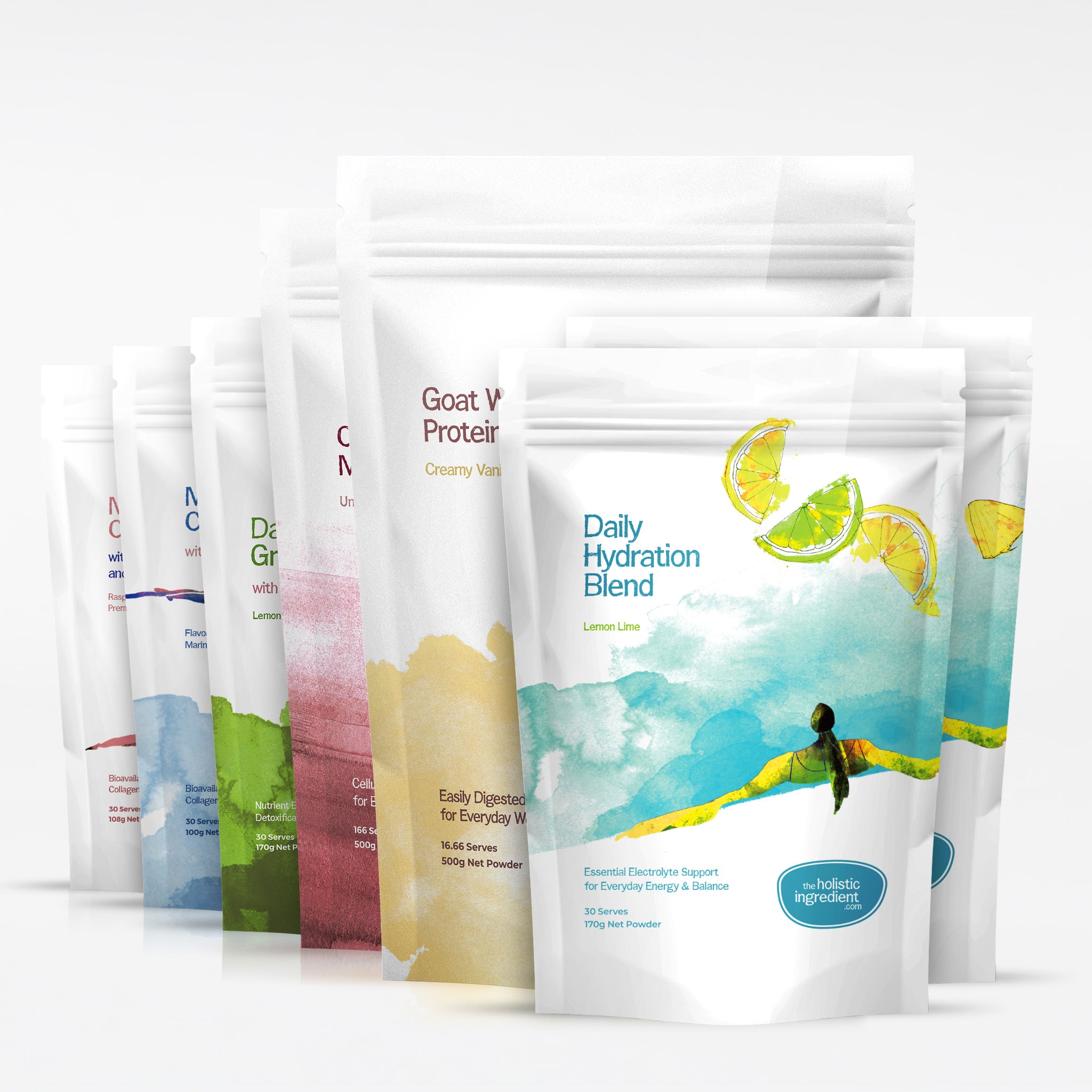
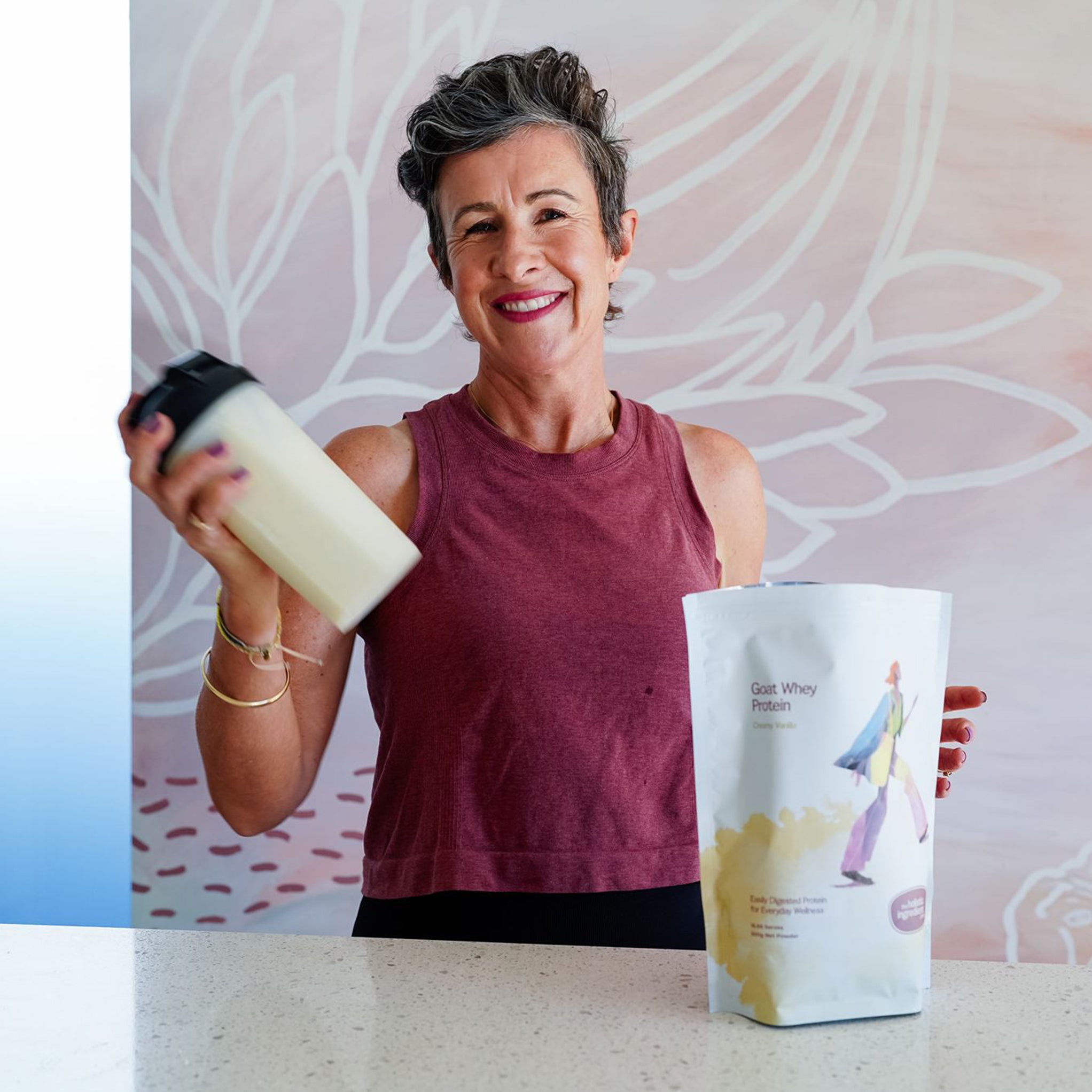
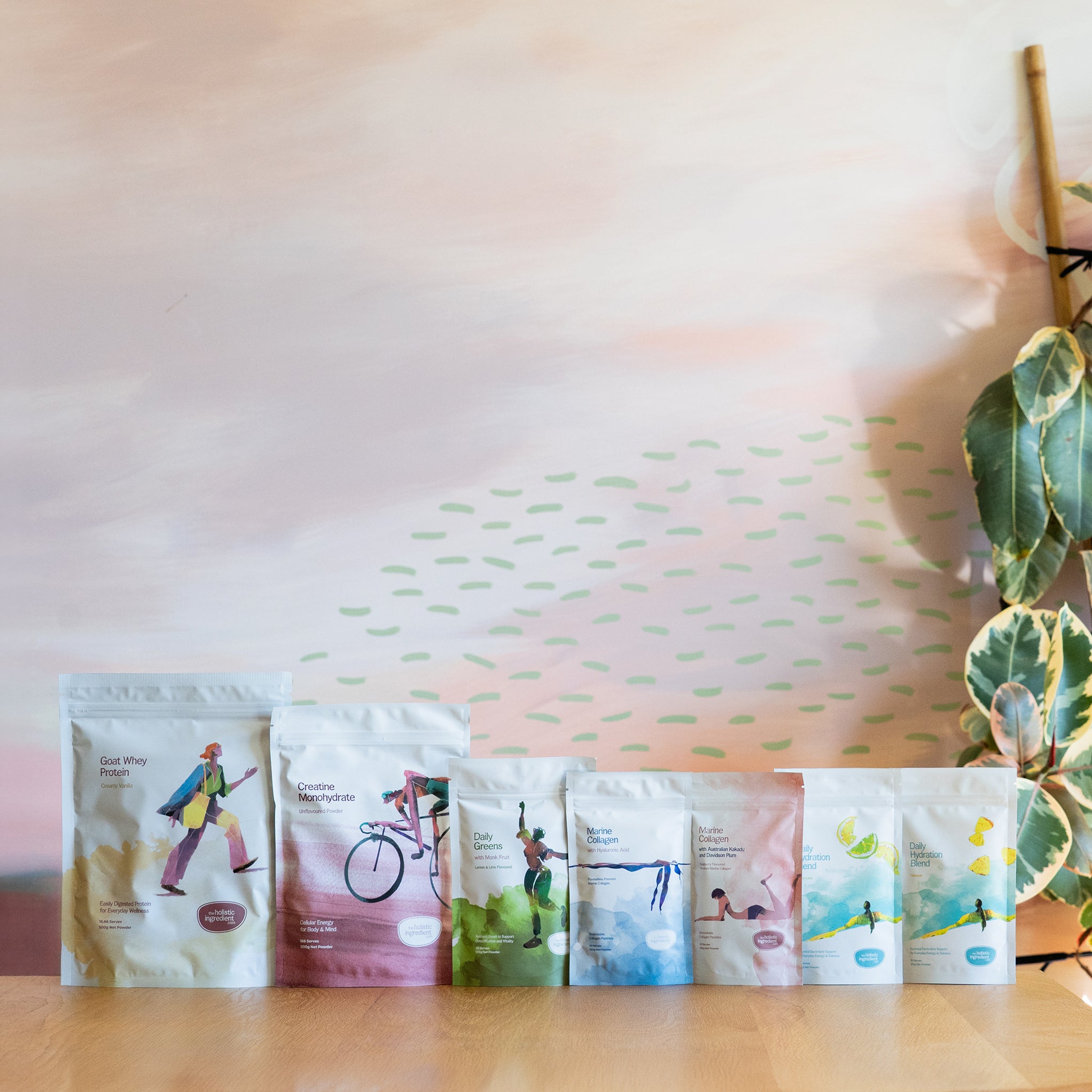
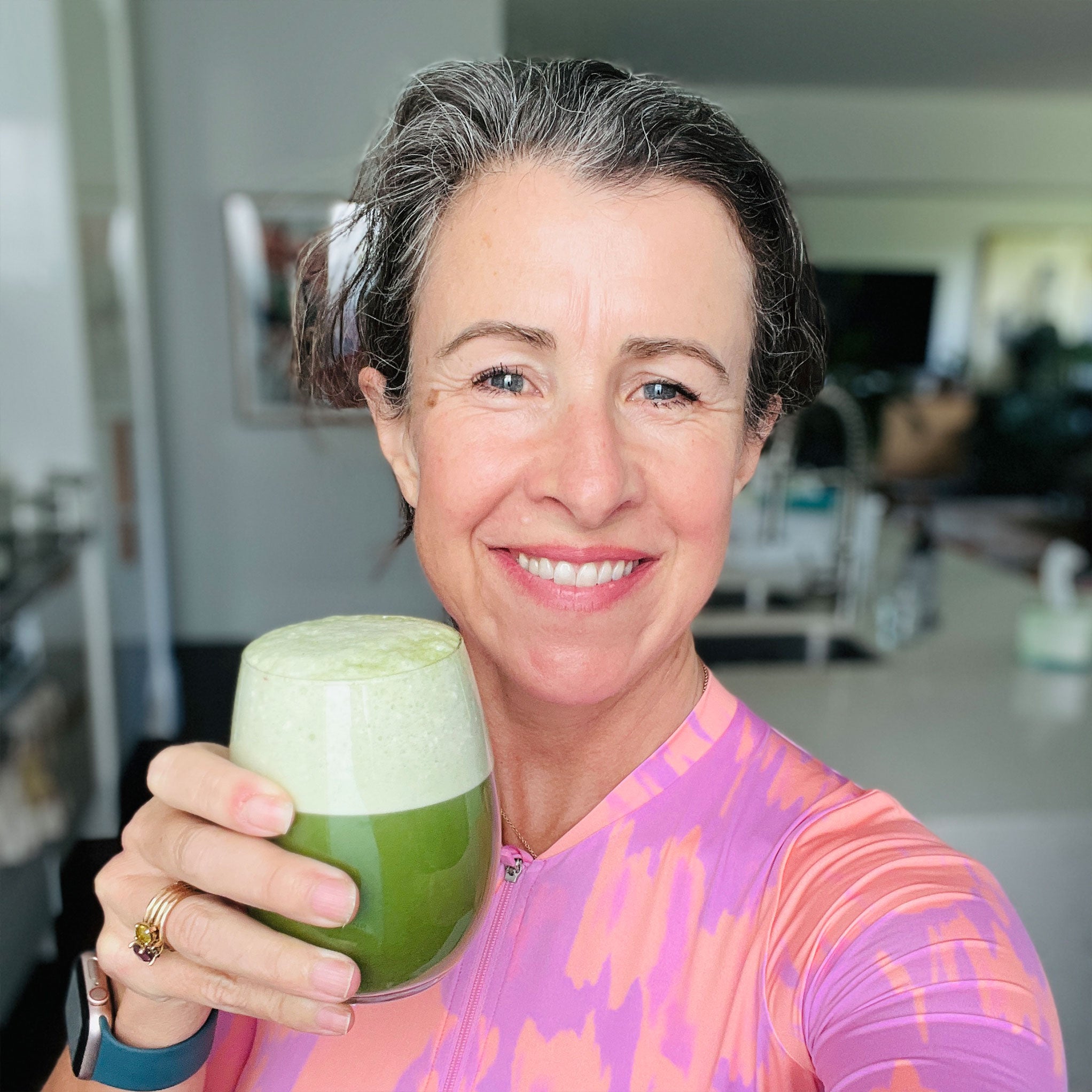
For me, that often means stirring a heaped tablespoon of Creamy Vanilla Goat Whey through my muesli with Greek yoghurt and Bonsoy. I began doing this to increase the protein portion of my breakfast, but I continue because I genuinely love the creamy vanilla flavour.
After weights, particularly when I arrive home too early for lunch, I’ll often stir a full scoop through Greek yoghurt. One full serve of my Creamy Vanilla Goat Whey provides 17 grams of protein and contains all nine essential amino acids, including the branched-chain amino acids.
It isn’t a meal replacement and I don’t treat it like one. It is simply an easy and enjoyable way to add protein to a meal or snack that may otherwise fall a little short.

We still need to use our muscles
Eating more protein on its own cannot do all the work. Our muscles also need a reason to remain strong.
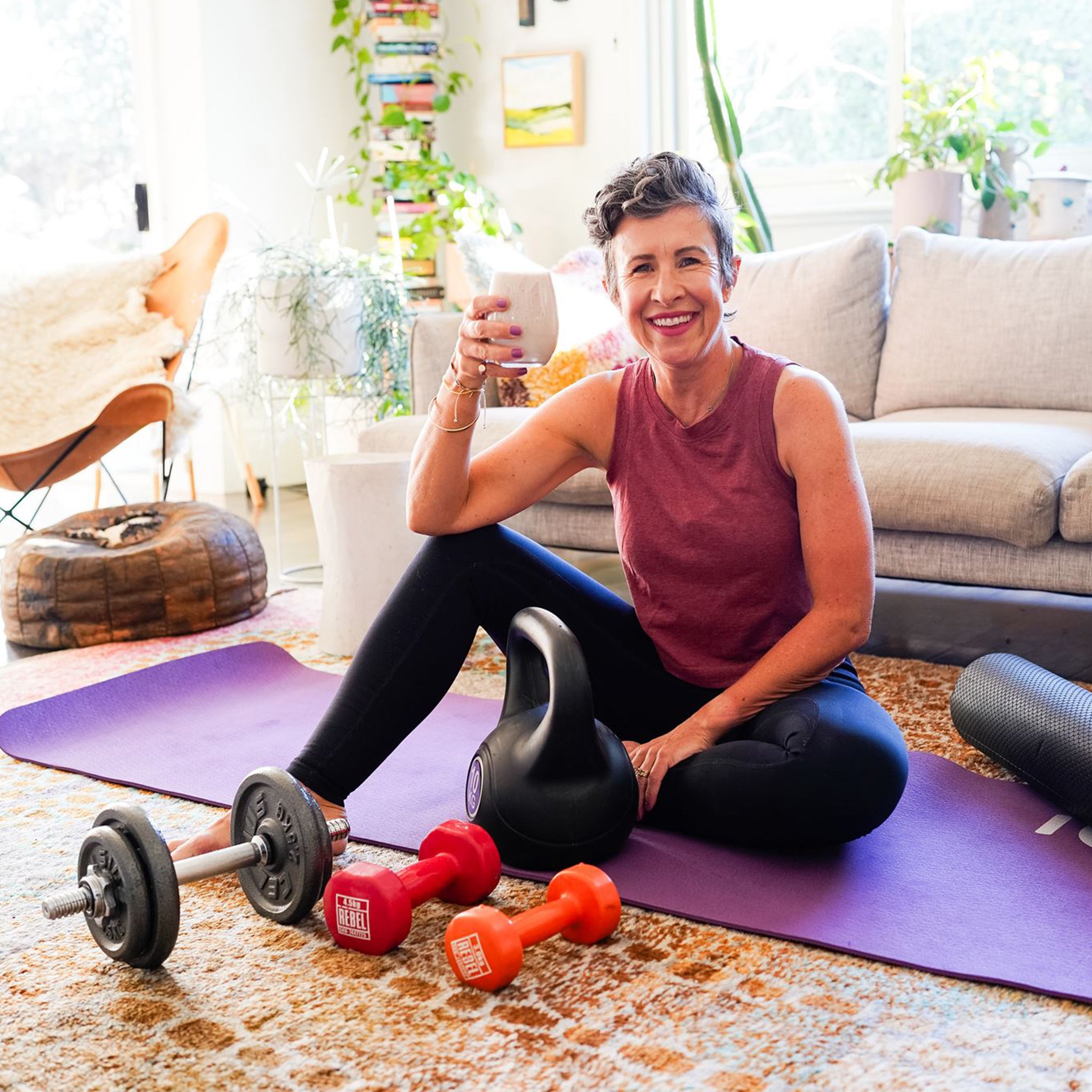
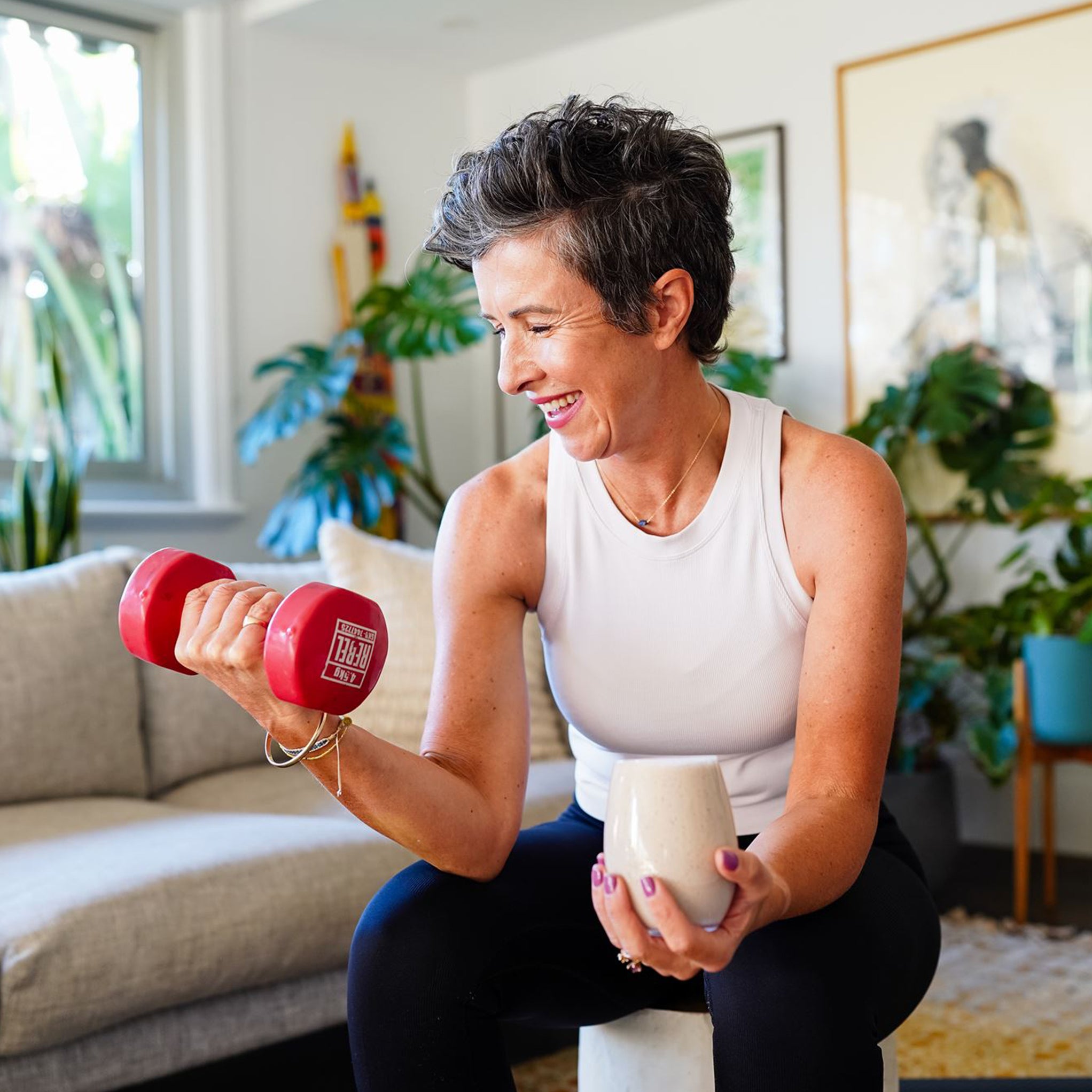
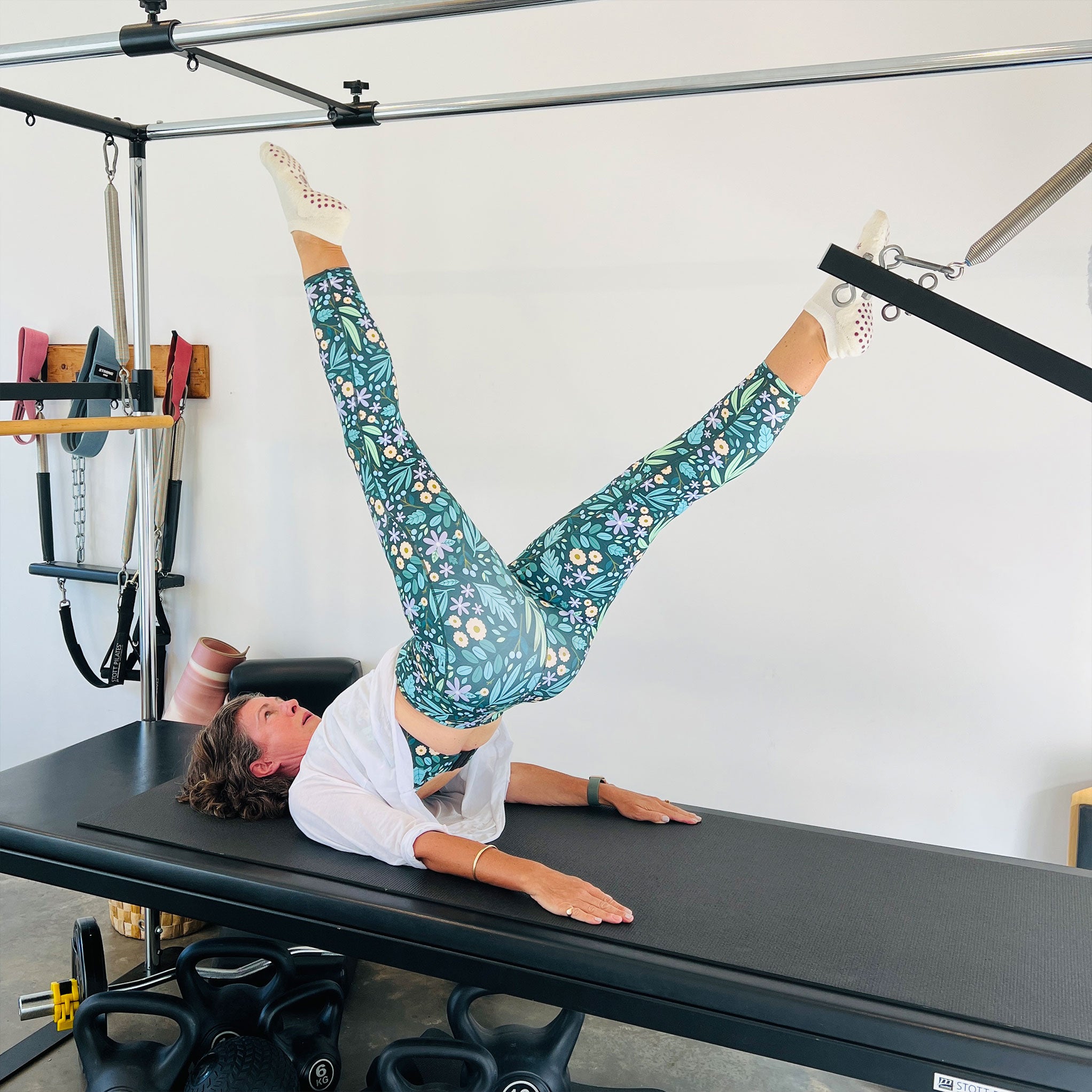
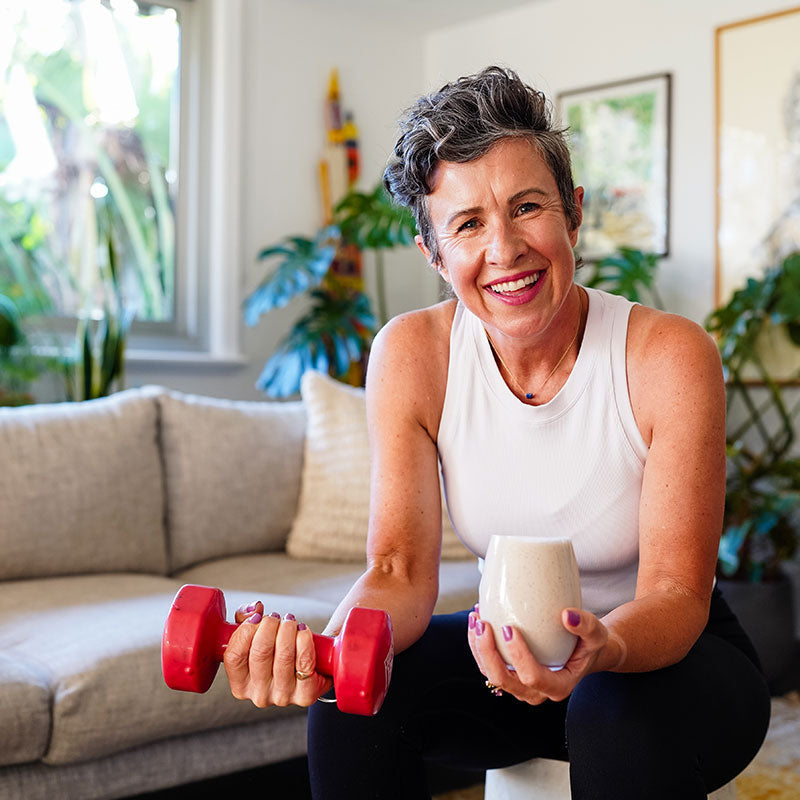
Resistance training, whether that involves free weights, machines, resistance bands or appropriately challenging bodyweight exercises - provides a signal for the body to maintain and build muscle. Everyday movement matters enormously, but purposeful strength work becomes particularly valuable as we age.
This does not require becoming a gym person overnight. The most useful form of strength training is one that is safe, challenging and realistic enough to continue. For some women that will be lifting weights in a gym; for others, it may begin with a guided program at home or sessions with an exercise professional.
Protein supplies the building blocks, while resistance exercise supplies the reason to use them. Neither needs to be pursued perfectly for the combination to be worthwhile.
Strength for the woman we are becoming
At 54, I am no longer exercising solely for the body I want today. I am building strength for the woman I hope to be at 64, 74 and well beyond.
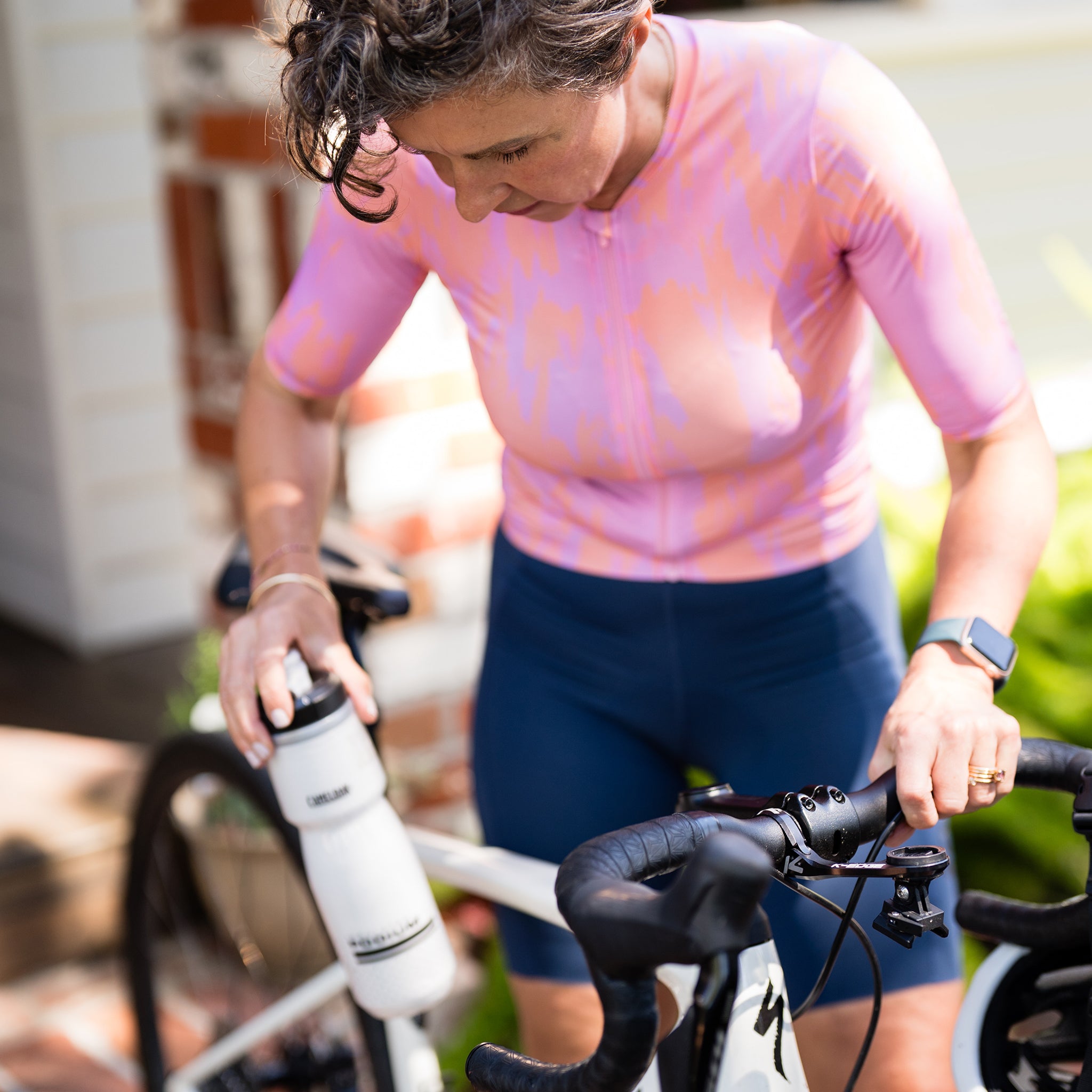
I want to keep riding my bike, travelling, carrying my own bags and saying yes to adventures. I want the best possible chance of remaining capable and independent - and I know the habits I practise now can help support that future.
For me, eating enough protein is part of the same investment. It isn’t about chasing perfection, fearing food or turning every meal into a mathematical equation. It’s about noticing what my changing body needs and finding practical, enjoyable ways to provide it.
Because healthy ageing isn’t about attempting to stop the years from passing. It’s about giving ourselves the strongest possible foundation from which to enjoy them.
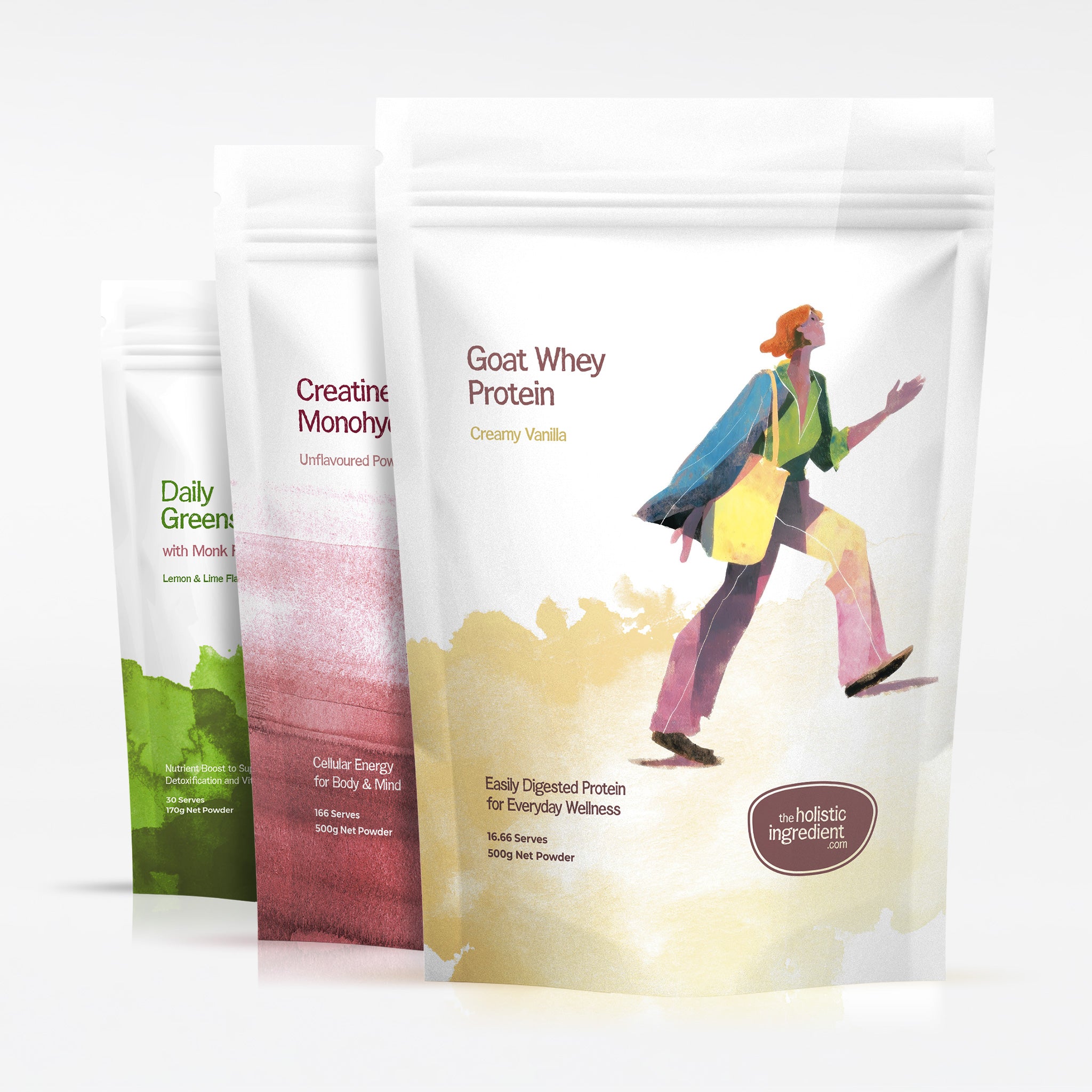
Discover Creamy Vanilla Goat Whey
This article provides general information only and is not individual health or dietary advice. Protein requirements vary. If you have kidney disease, another medical condition or specific dietary needs, please seek guidance from an appropriately qualified health professional.
Further reading
Protein and maintaining muscle mass as you age — Better Health Channel
Australian and New Zealand Nutrient Reference Values for protein
Age-related muscle anabolic resistance: inevitable or preventable? — PubMed