




When we talk about collagen loss, most conversations focus on age. And yes, collagen production naturally declines as we get older. It’s a completely normal part of life and aging.
But age isn’t the only thing that can influence how vibrant and resilient our skin, joints, hair and connective tissues feel over time - our daily habits matter too. Not in a perfectionistic, “you must do everything right” kind of way - but in the cumulative way that lifestyle patterns shape how we feel over months and years.
Wellness is rarely built from one grand gesture, it’s usually the result of lots of small things repeated over time.
Here are a few habits that may be accelerating collagen loss more than we realise.
1. Chronic Stress
Stress has become so normalised that many of us barely notice how much tension we’re carrying until our bodies start whispering (or screaming) for support. Long-term stress can increase inflammation and oxidative stress within the body, both of which may impact collagen integrity over time.
But beyond skin health, chronic stress can affect sleep, digestion, hormones, energy and recovery too. I think this is why so many of us in midlife are beginning to value nervous system support more deeply than we once did. Less rushing and overcommitting. More rest, boundaries and things that bring us back to ourselves.

2. Poor Sleep
Sleep is one of the most underrated wellness tools we have. It’s during deep sleep that the body carries out much of its repair and restoration work, which includes processes involved in skin renewal and recovery. And yet so many women struggle with sleep in midlife.
Hormonal changes, stress, busy minds, caregiving responsibilities and screen time can all play a role. Good sleep won’t stop aging - nor should it - but feeling rested can profoundly influence how supported and well we feel.
3. Too Much Sun Exposure
Sunshine is beautiful for the soul, but excessive UV exposure is one of the biggest external contributors to premature skin aging and collagen breakdown.
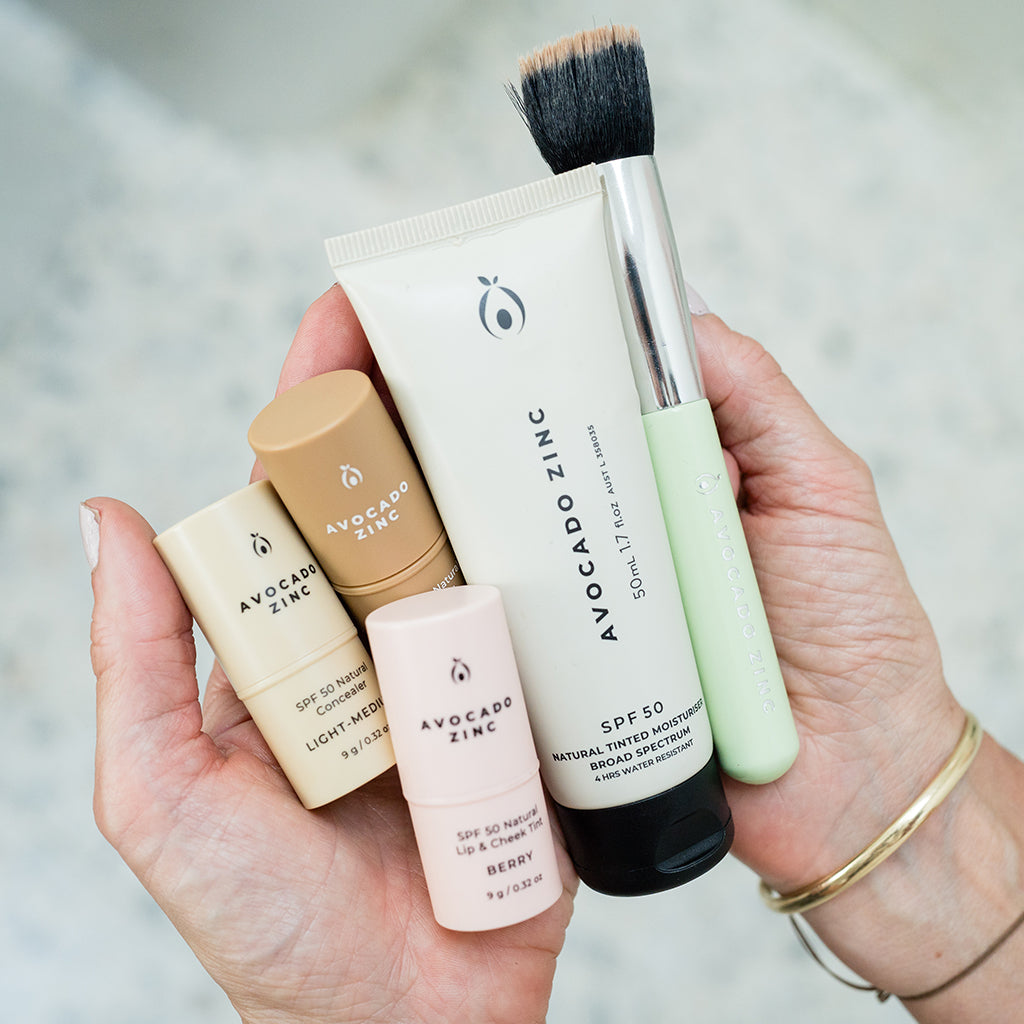
This doesn’t mean hiding indoors or fearing the sun, it simply means supporting your skin with good habits like wearing a hat, seeking shade when needed, using a quality SPF, and respecting that our skin changes as we age.
I think many of us in our 40s and 50s are now seeing the effects of all those long Australian summers spent chasing tans in our younger years!
4. Not Eating Enough Protein
Protein is essential for so many functions within the body, including the building blocks involved in collagen production. And interestingly, many women - particularly in midlife - may not actually be eating enough of it.
Skipping meals, restrictive dieting, stress, reduced appetite or simply not prioritising protein-rich foods can all contribute. This doesn’t have to become obsessive, but it is worth asking: “Am I nourishing my body well enough to support strength, recovery and vitality as I age?”
5. High Sugar Intake
A high-sugar diet may contribute to a process called glycation, where sugar molecules attach to proteins like collagen and elastin, potentially making them less supple over time. Again, this isn’t about fear or perfection - you do not need to give up birthday cake or never enjoy dessert again.
It’s simply about recognising that balance matters. The body tends to respond beautifully to consistent nourishment most of the time.
6. Smoking
Smoking exposes the body to significant oxidative stress and has long been associated with accelerated skin aging and collagen breakdown. But I think most people already know this. What feels more important is remembering that positive change is always worthwhile. The body is incredibly adaptable and supportive habits can make a real difference at any stage of life.
7. Excessive Alcohol
A drink here and there is part of life for many people. But excessive alcohol intake may impact hydration, sleep quality, inflammation and nutrient absorption - all of which can influence how we feel and function over time. And often, it’s not about completely removing something, it’s about noticing how our body responds and making choices from a place of self-support rather than punishment.
It’s Not About Perfection
I think this is the most important part of the conversation.
Aging is not a problem to solve. Collagen loss is not a personal failure. And wellness should never become another exhausting standard we feel pressured to meet. This is simply about awareness - recognising that the little things we do every day - how we nourish ourselves, rest, move, manage stress and care for our bodies - can either support us or slowly deplete us over time.
Just gently, consistently and with compassion, because feeling well is never about chasing youth. It’s about feeling supported in the season of life we’re in.