







 Walk down the drink aisle and you’ll see bottles and powders labelled electrolyte, hydration and sports drink. The names are often used loosely, so it’s understandable to wonder: are electrolyte drinks and sports drinks the same thing?
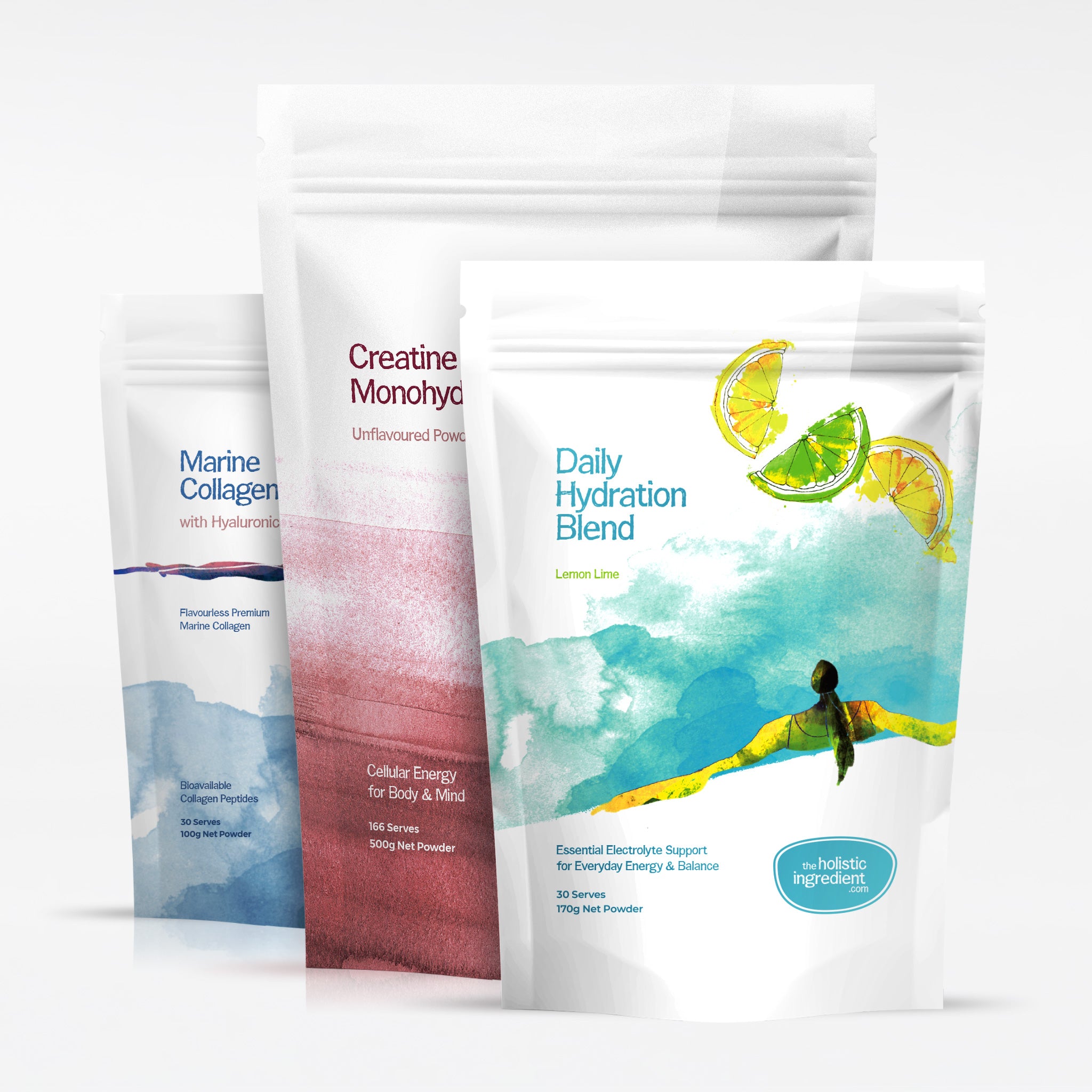
The short answer: they can overlap, but they’re designed with different priorities. An electrolyte drink such as our Daily Hydration Blend, focuses on fluid and minerals. A sports drink often combines fluid and electrolytes with carbohydrate, which can provide fuel during longer or more demanding exercise. The label tells you more than the name on the front.
What is an electrolyte drink?
Electrolytes are minerals that carry an electrical charge when dissolved in body fluids. Common examples include sodium, potassium, magnesium and calcium. Electrolyte drinks are products designed to provide fluid and some of these minerals. They’re sold as powders, tablets and ready-to-drink beverages.
The exact mix varies. Some products focus on sodium and potassium; others include magnesium or calcium too. Some contain carbohydrate, while others contain little or none. The Australian Institute of Sport describes electrolyte replacement supplements as products intended to replace fluid and electrolytes - particularly sodium and potassium - lost through sweat. It also notes that electrolyte products come in different forms and can contain different amounts of carbohydrate. [1]
What is a sports drink?
A sports drink is generally designed to provide fluid and carbohydrate during exercise. Many also contain electrolytes, so there can be plenty of overlap between sports drinks and electrolyte drinks.
The carbohydrate is there to provide energy during activity. Depending on the product, a sports drink may therefore help with both fluid intake and fuelling. The Better Health Channel notes that sports drinks containing carbohydrates and electrolytes may be useful during moderate to vigorous activity lasting more than 60 minutes, while also advising that some can be high in sugar. [2]
That doesn’t mean every workout calls for a sports drink. The type and duration of activity, the conditions, what you’ve eaten and your individual needs all matter.
Electrolyte drinks vs sports drinks: the difference at a glance
| Electrolyte drink | Sports drink | |
|---|---|---|
| Main focus | Fluid and electrolyte minerals | Fluid and carbohydrate for exercise, often with electrolytes |
| Carbohydrate | May contain little or none, or include some | Often included to provide fuel |
| When people may choose it | When they want a flavoured drink with electrolytes, or targeted electrolyte replacement | During longer or more demanding exercise when fluid and fuel are both relevant |
| What to check | Electrolytes per serve, directions and any added carbohydrate | Carbohydrate per serve, electrolytes, serving size and directions |
These are common patterns, not strict rules. Some electrolyte drinks contain carbohydrate, and some sports drinks contain only modest amounts of electrolytes. Always check the nutrition panel and ingredient list.
Why does carbohydrate matter?
Electrolytes and carbohydrate do different jobs. Electrolytes are minerals; carbohydrate is a source of energy. A drink can contain electrolytes without providing much fuel.
This distinction can matter during a long ride, run or other extended session. If you’re relying on an electrolyte-only drink, you may still need to get carbohydrate from food, gels or a separate drink, depending on your activity and fuelling plan. The Australian Institute of Sport makes this distinction between electrolyte-only products and sports drinks that combine electrolytes with carbohydrate. [1]
For everyday movement or a shorter, easier session, you may not need a specialised sports drink. Water and regular meals are often enough for ordinary hydration. Harvard’s Nutrition Source also points out that electrolyte drinks vary widely and aren’t automatically a better choice than water for everyone. [3]
What should you check on the label?
Rather than choosing by the words electrolyte or sports on the front, look at what the product actually provides.
-
Carbohydrate per serve: Is the drink intended to provide fuel, or mainly fluid and electrolytes?
-
Electrolytes per serve: Which minerals are included, and how much of each?
-
Serving size and directions: A bottle or scoop may not equal one serve.
-
Sweeteners and other ingredients: Check what’s included and decide what suits you.
-
How you plan to use it: A drink for a long training session may have a different purpose from one you enjoy with water during an ordinary day.
If you have a medical condition or take medication that affects fluid or electrolyte balance, ask your healthcare professional what’s appropriate for you. Needs can vary, and a drink marketed as an electrolyte product isn’t a treatment for a diagnosed electrolyte imbalance.

Where does Daily Hydration fit?
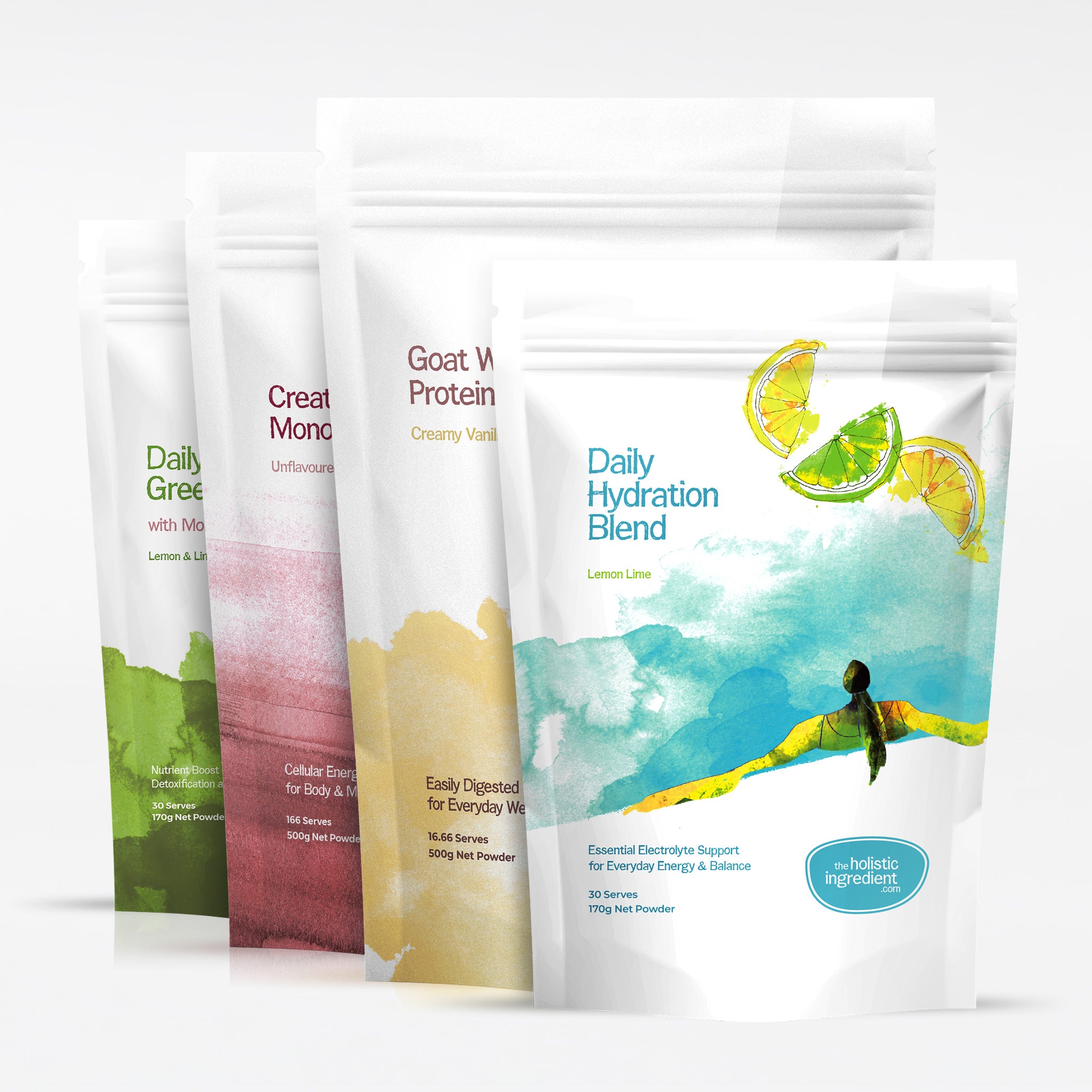
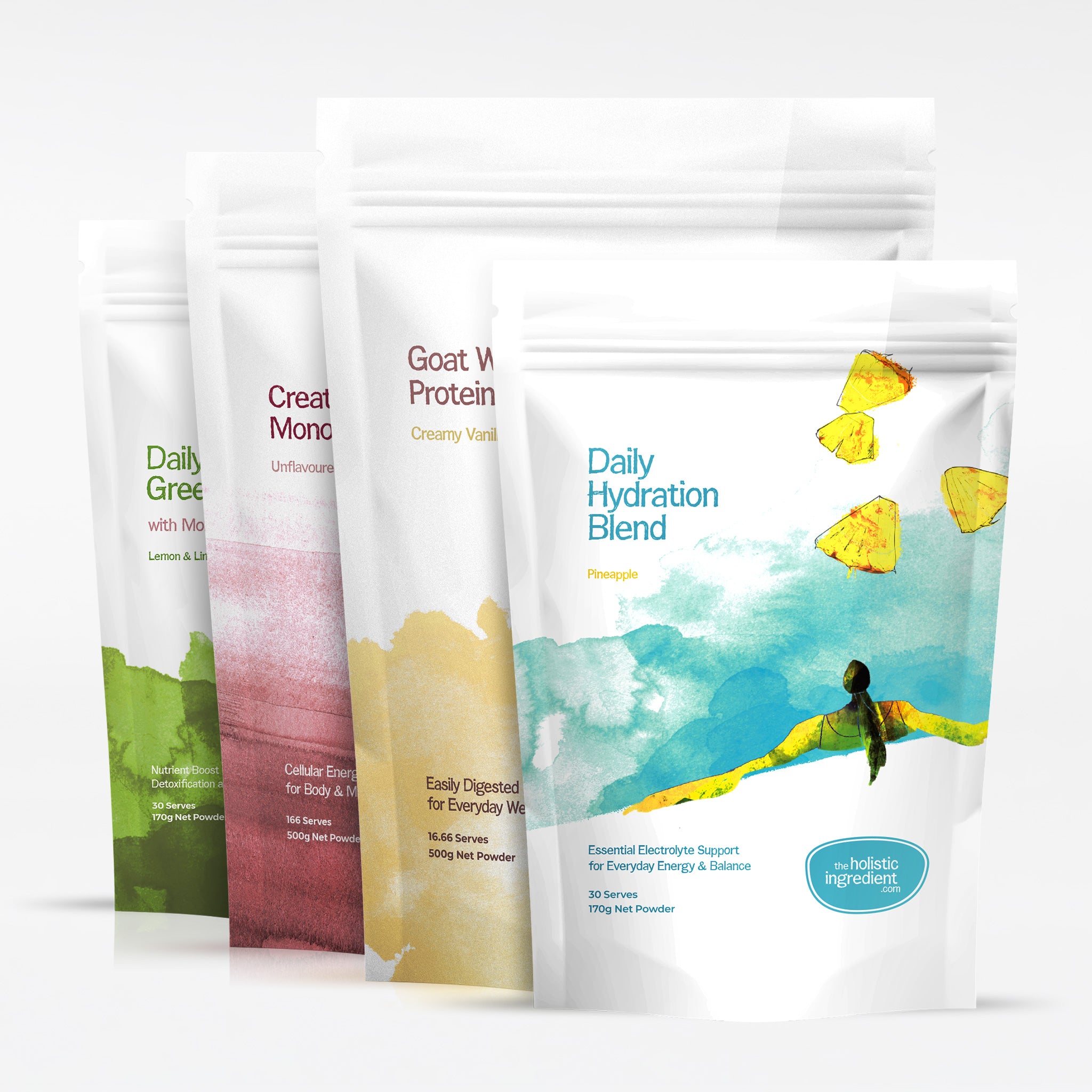
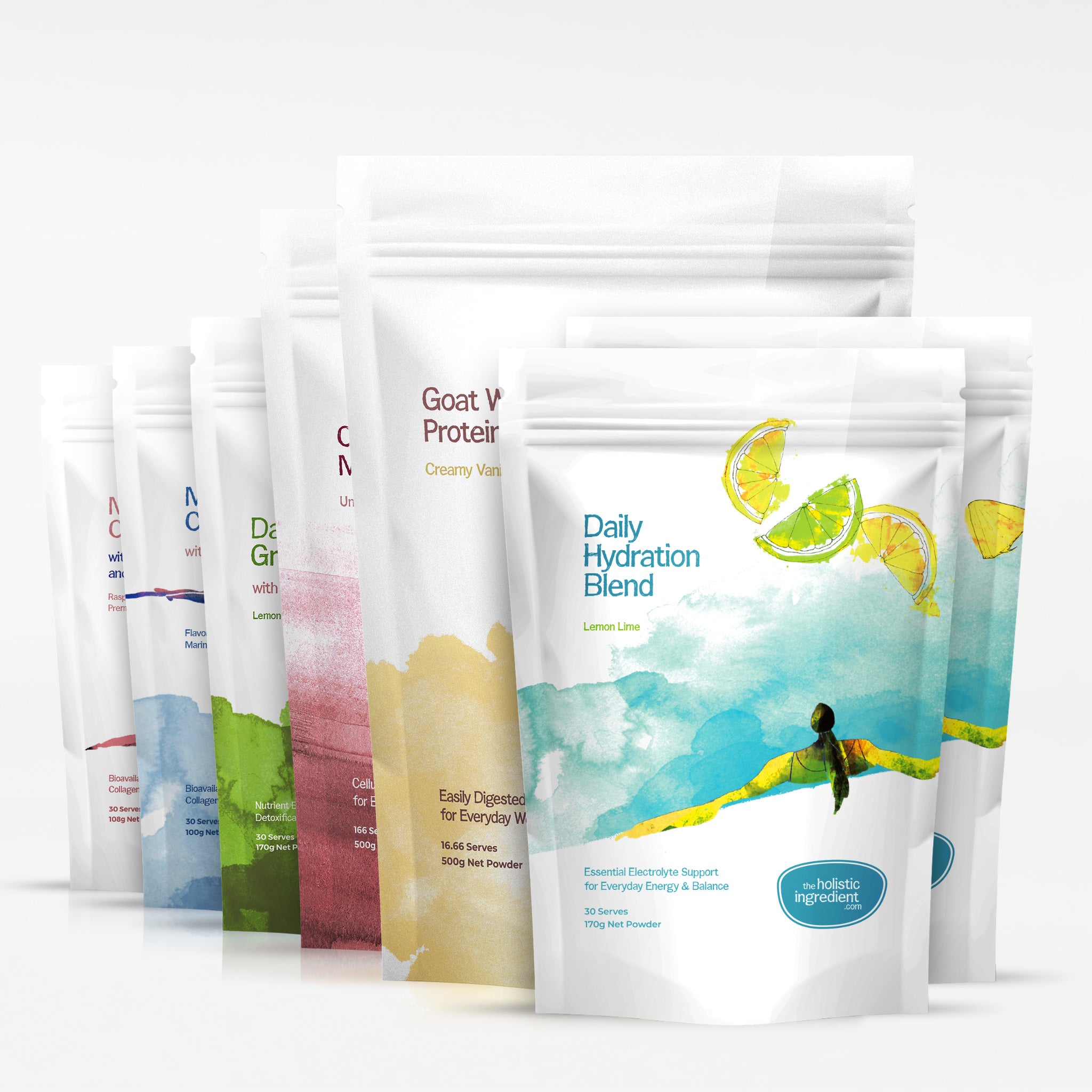
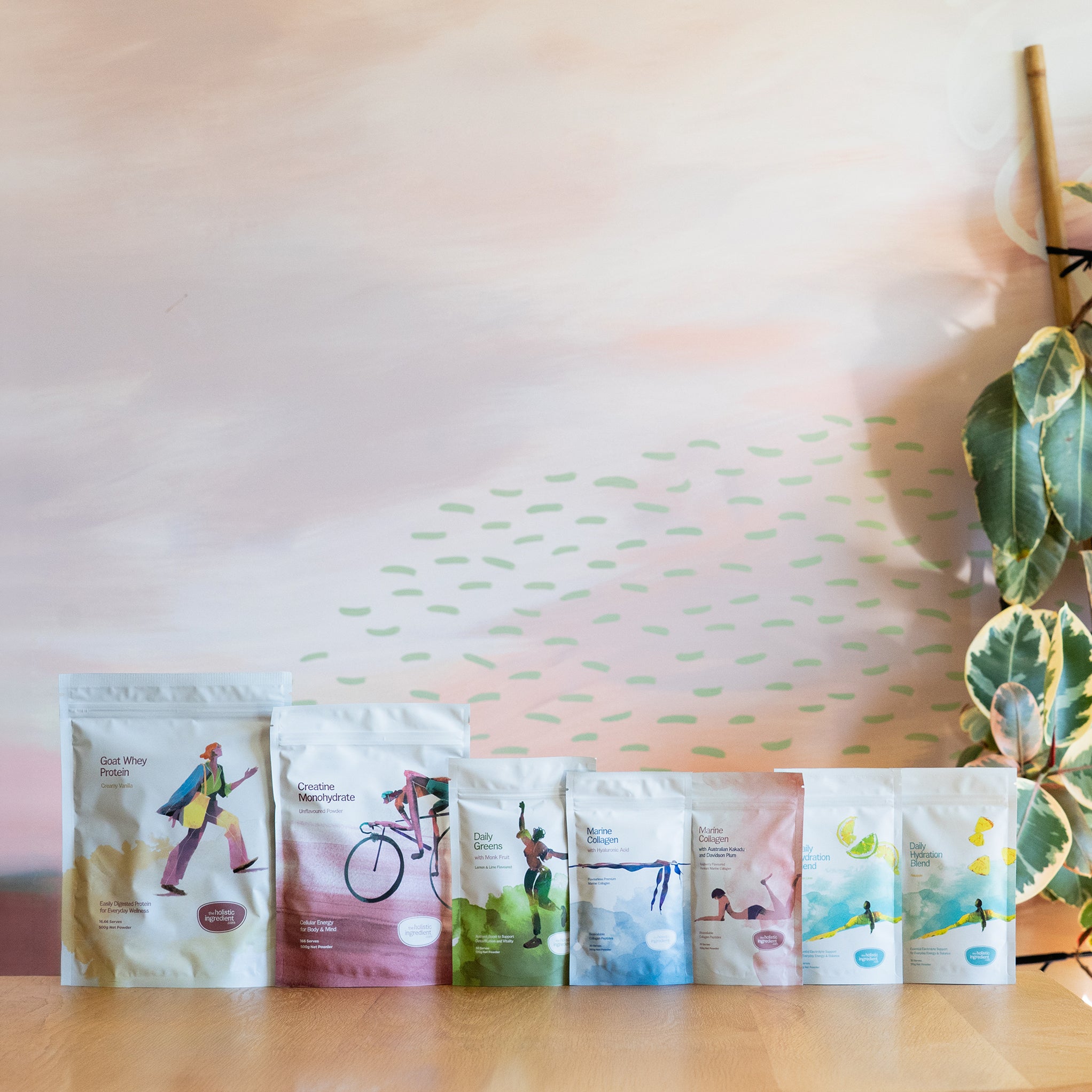
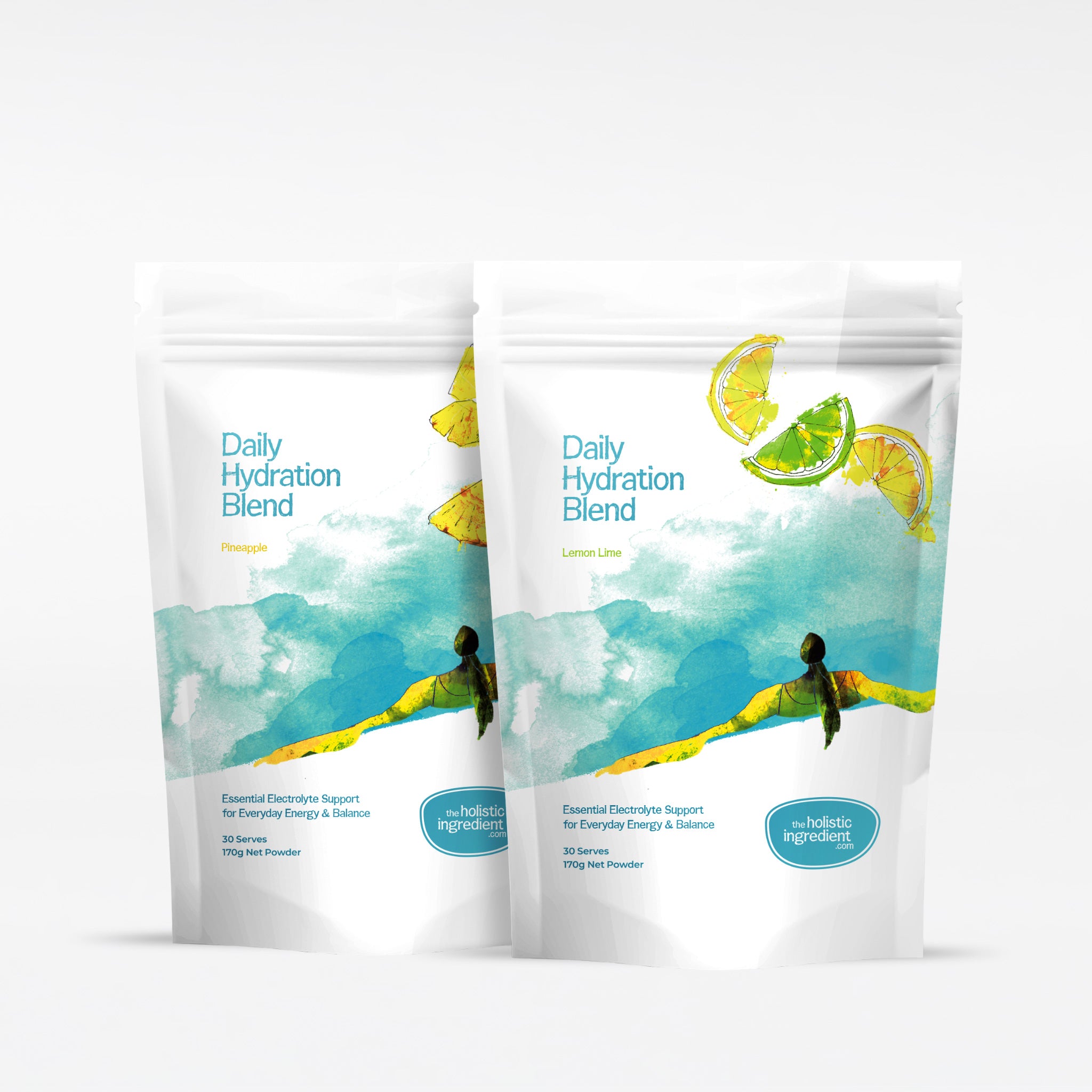
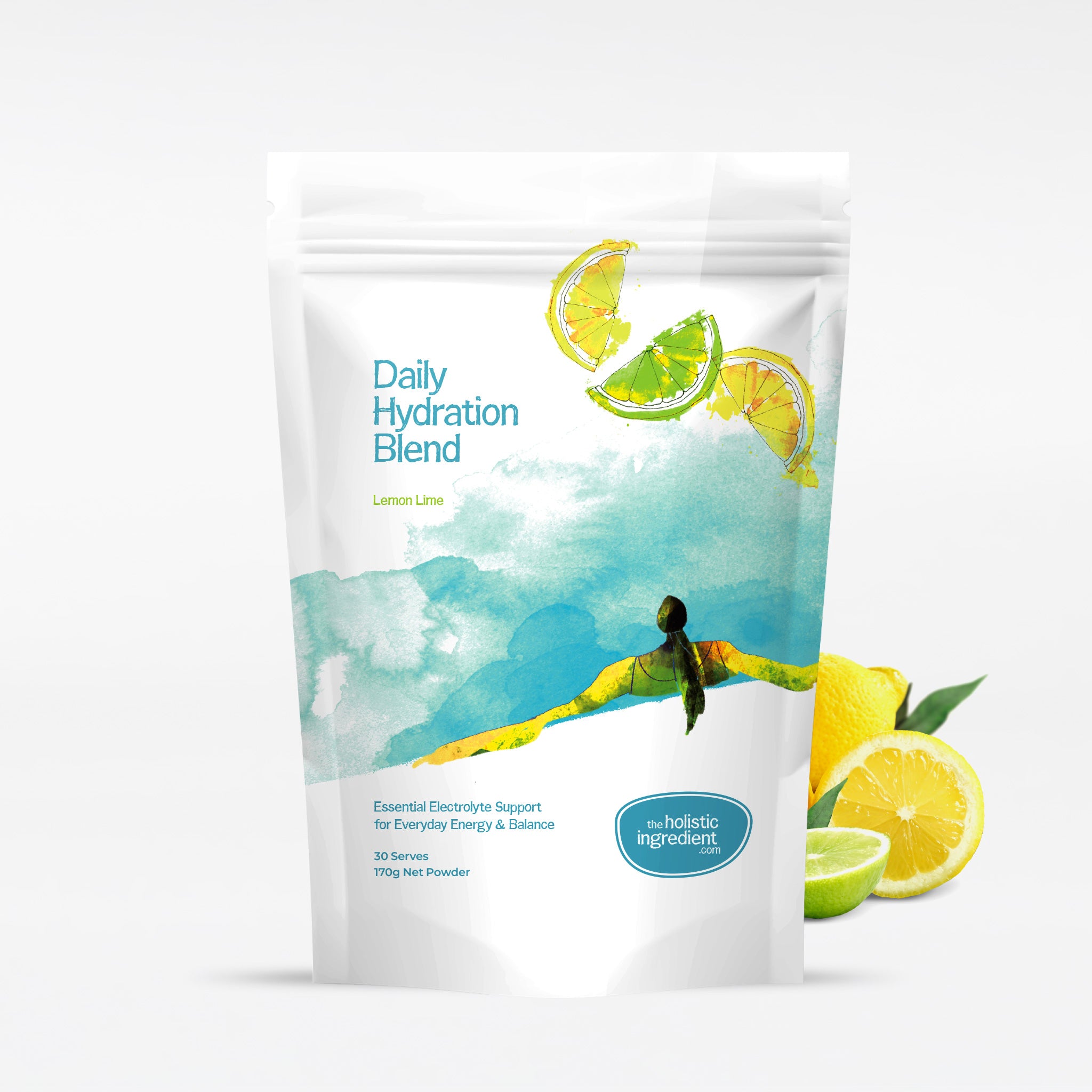
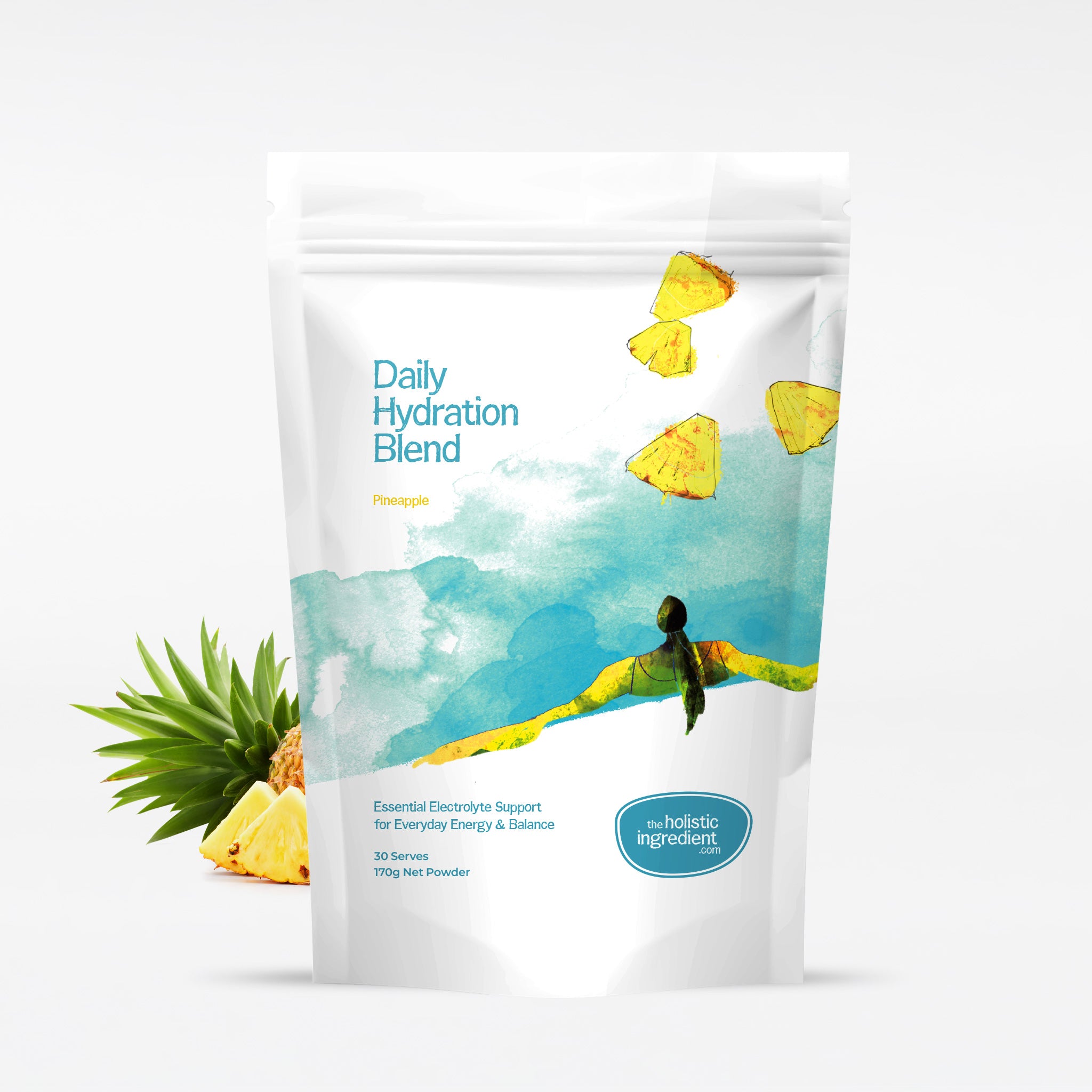
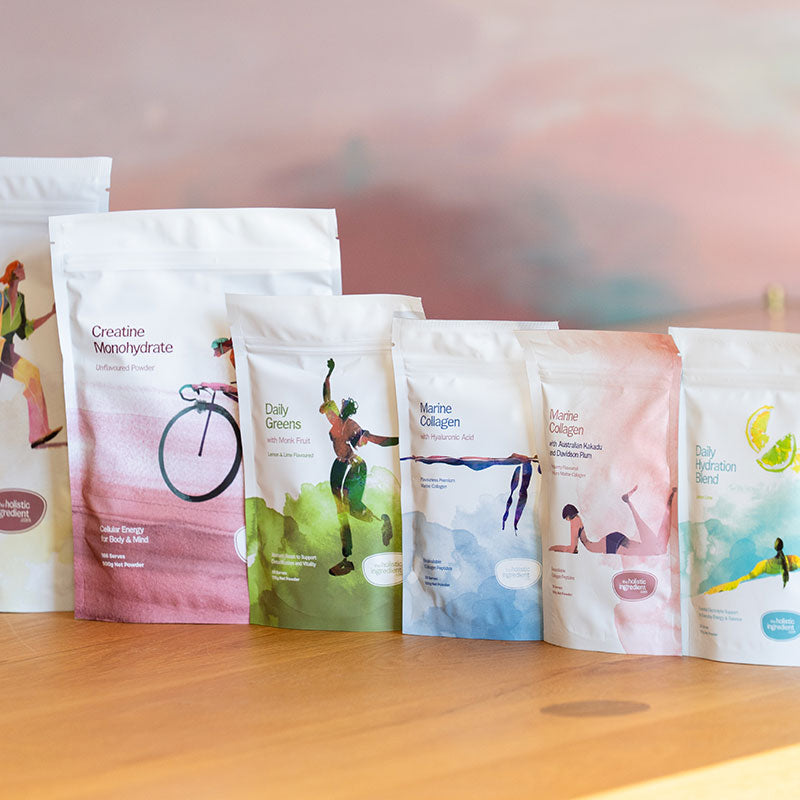
Our Daily Hydration is an electrolyte blend with sodium, potassium, magnesium and calcium, and no added sugar. It’s designed to be mixed with water as a refreshing way to include electrolytes in your day. It isn’t a carbohydrate sports drink, so for a longer ride or session where you need fuel, you’d still plan that separately.
The useful question isn’t which type of drink is best for everyone. It’s what you want your drink to do. If you need carbohydrate for a long session, choose a source that provides it. If you’re looking for a flavoured electrolyte drink, check the minerals and serving information. And for everyday hydration, water and meals still have an important place.
The takeaway
Electrolyte drinks and sports drinks aren’t always the same. Sports drinks often include carbohydrate for fuel, while electrolyte drinks may focus on fluid and minerals with little or no carbohydrate. Because products overlap, read the label and choose according to the job you need the drink to do.
References
-
Better Health Channel — Exercise: the low-down on water and other drinks
-
Harvard T.H. Chan School of Public Health — Electrolyte Drinks