





If you’ve ever felt flat in the afternoon, low on energy despite eating well, or just a little “off” for no obvious reason there’s a chance hydration could be part of the picture.
And not just water.
Electrolytes have become a bit of a buzzword in the wellness space, but when you strip it back, they’re actually very simple - and incredibly important for how your body feels day to day. So let’s break it down.
What are electrolytes?
Electrolytes are minerals that carry an electric charge when dissolved in water.
The main ones you’ll hear about are:
- Sodium
- Potassium
- Magnesium
- Calcium
They might sound technical, but their role in the body is very practical.
Electrolytes help regulate:
- Hydration (how water moves in and out of your cells)
- Muscle function
- Nerve signalling
- Energy levels
- Fluid balance
In simple terms, they help your body actually use the water you’re drinking. Because water on its own doesn’t always get the job done.
Why are electrolytes important?
You can drink plenty of water and still feel dehydrated. That’s because hydration isn’t just about how much you drink - it’s about how well your body absorbs and retains that fluid.
Electrolytes help pull water into your cells and keep it there, where it’s actually useful. Without enough of them, water can pass through your system quickly without properly hydrating you.
That can show up as:
- Afternoon energy dips
- Headaches
- Fatigue
- Brain fog
- Muscle tightness or cramps
- Feeling thirsty even after drinking
It’s often subtle - but once you notice the difference, it’s hard to unsee.

Are salt-based electrolytes safe for everyday use?
This is one of the most common questions, and the short answer is: for most people, yes.
Sodium (salt) is one of the key electrolytes your body needs, and it’s often the one people are actually low in - especially if you:
- drink a lot of plain water
- exercise regularly
- sweat (even lightly)
- eat a whole food, lower-processed diet
- drink coffee (which can increase fluid loss)
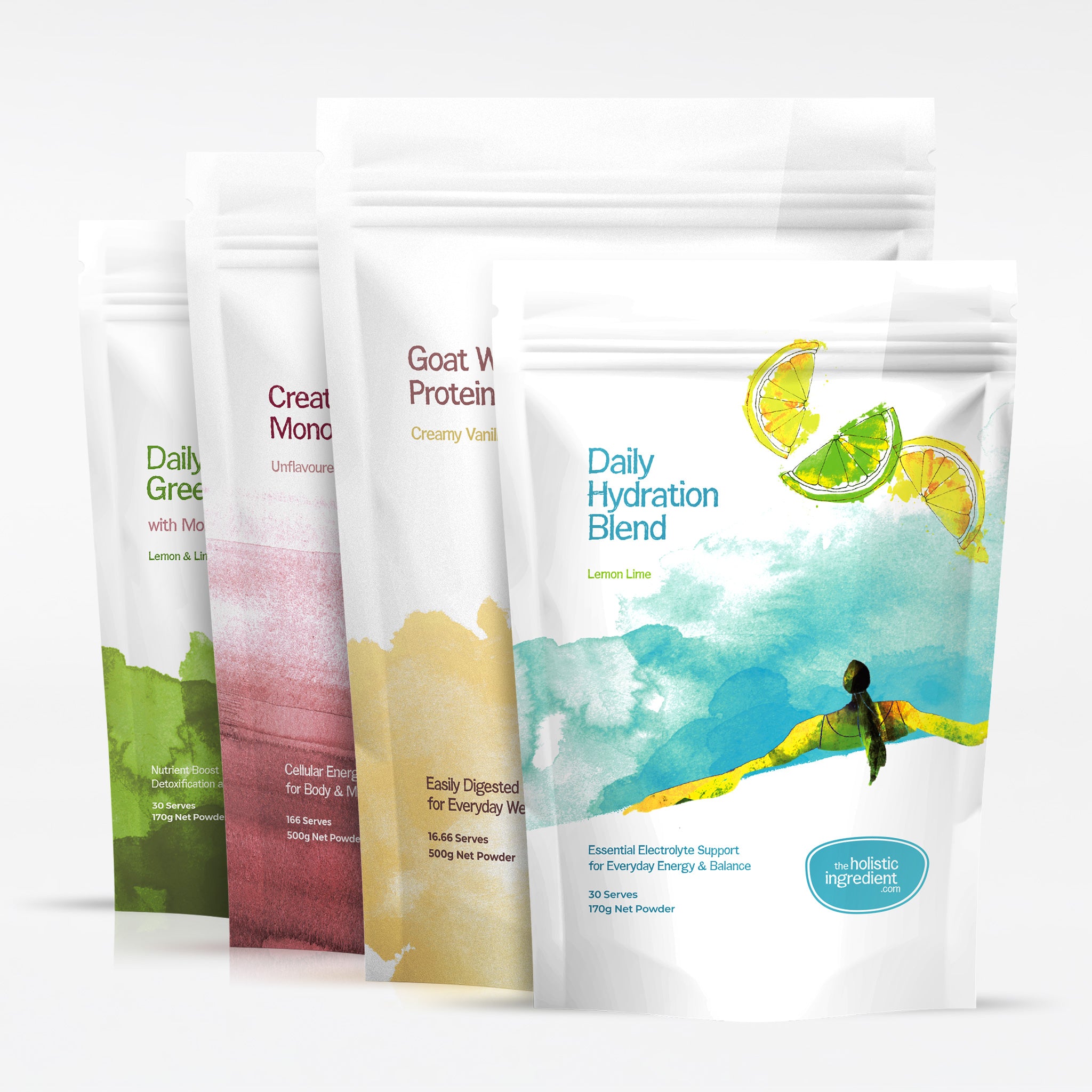
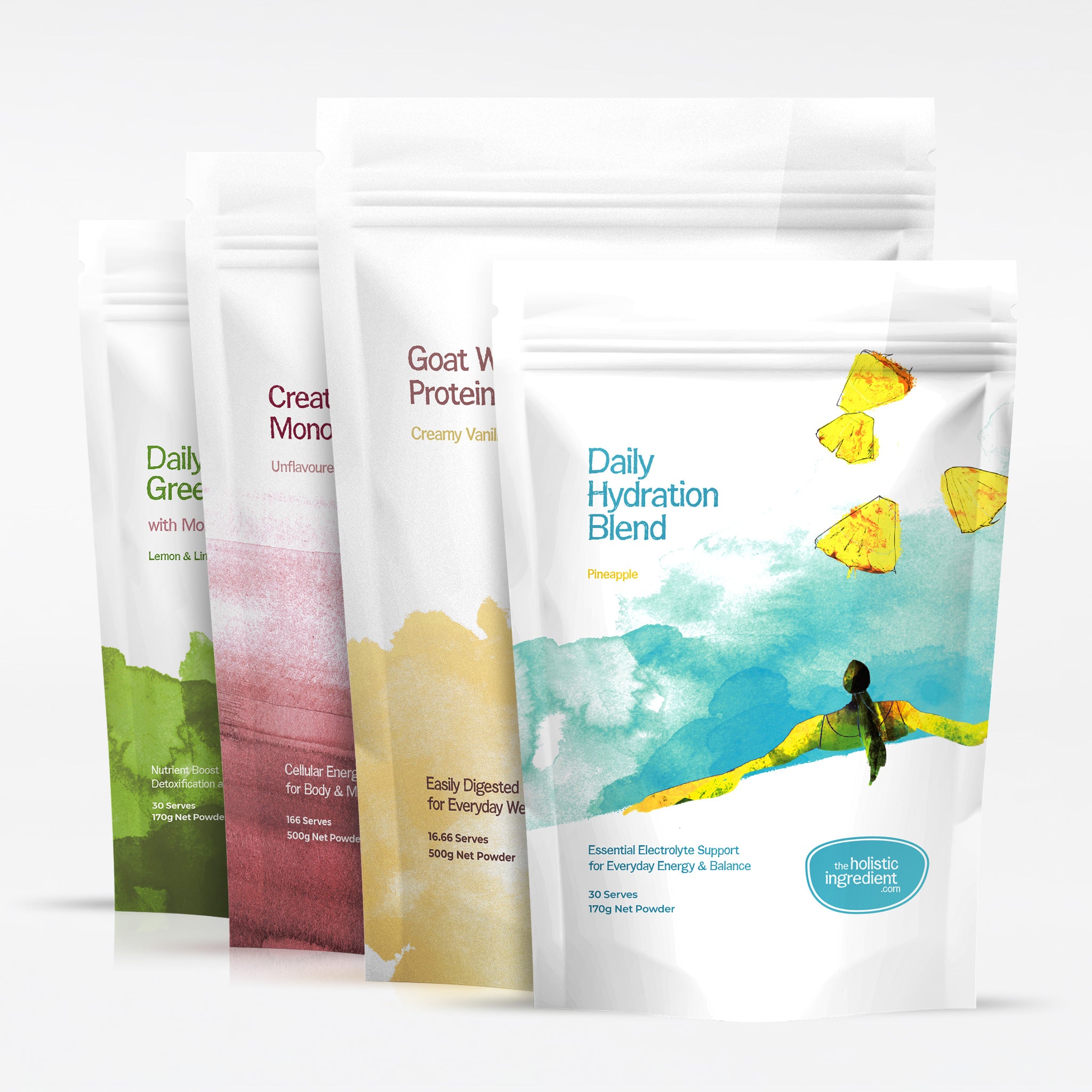
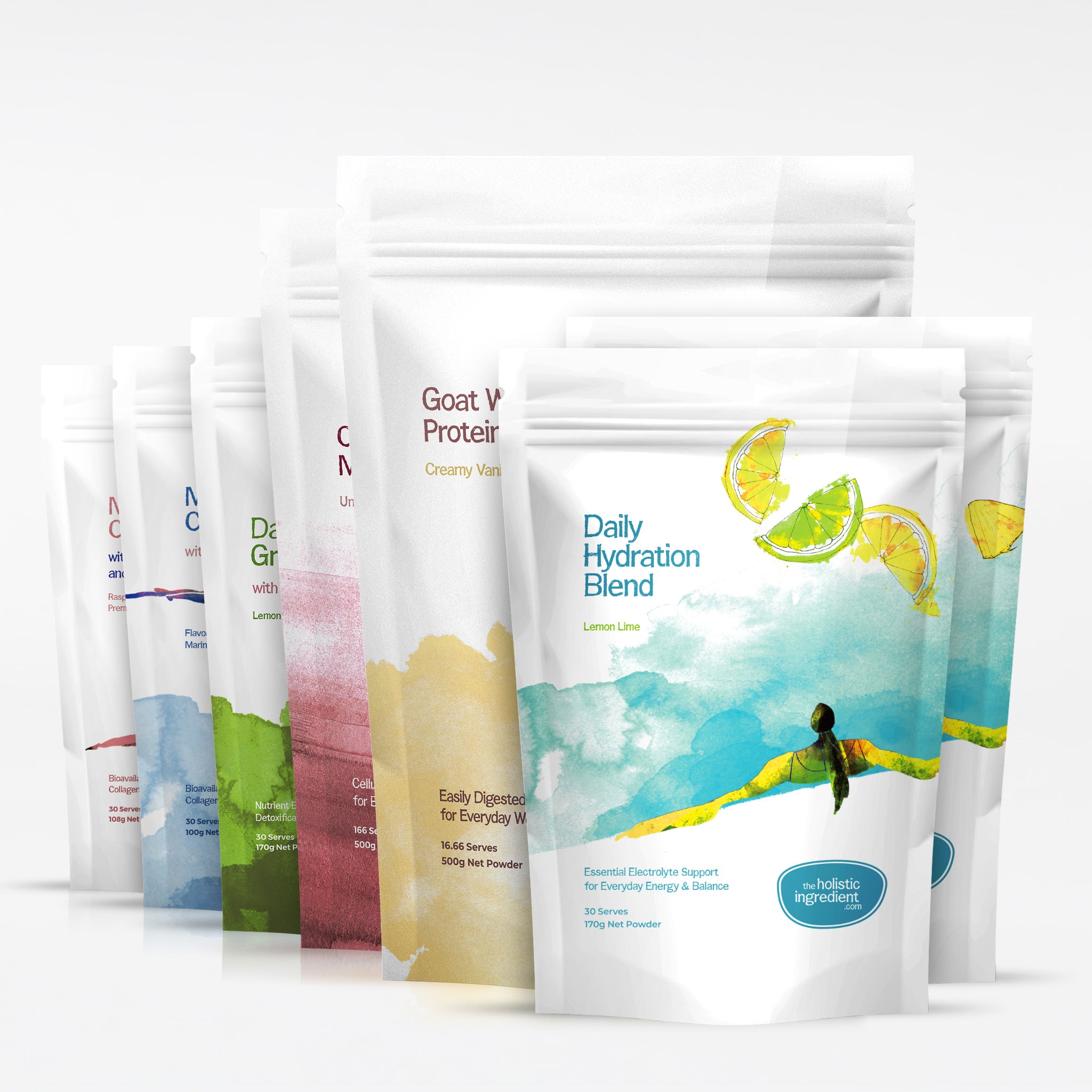
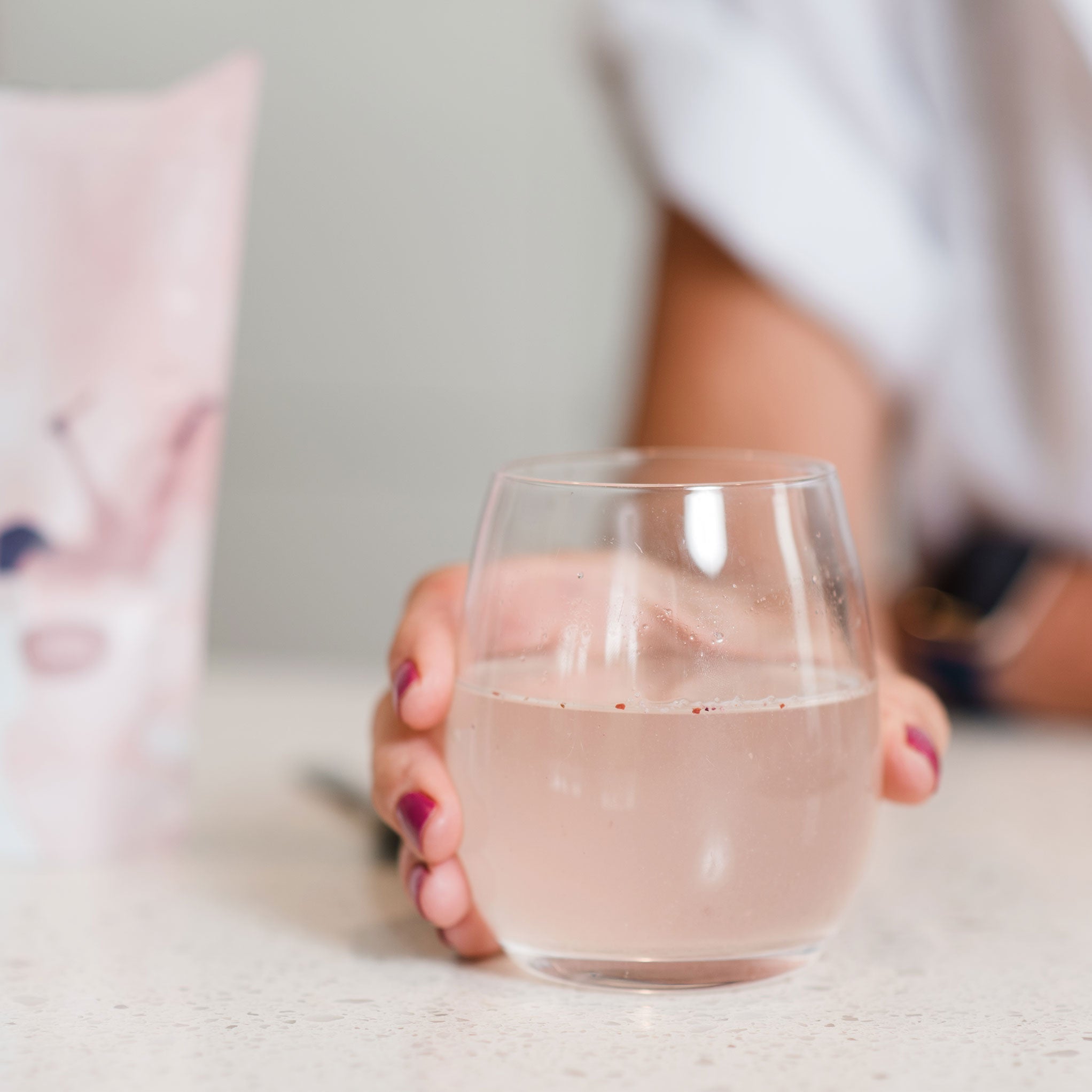
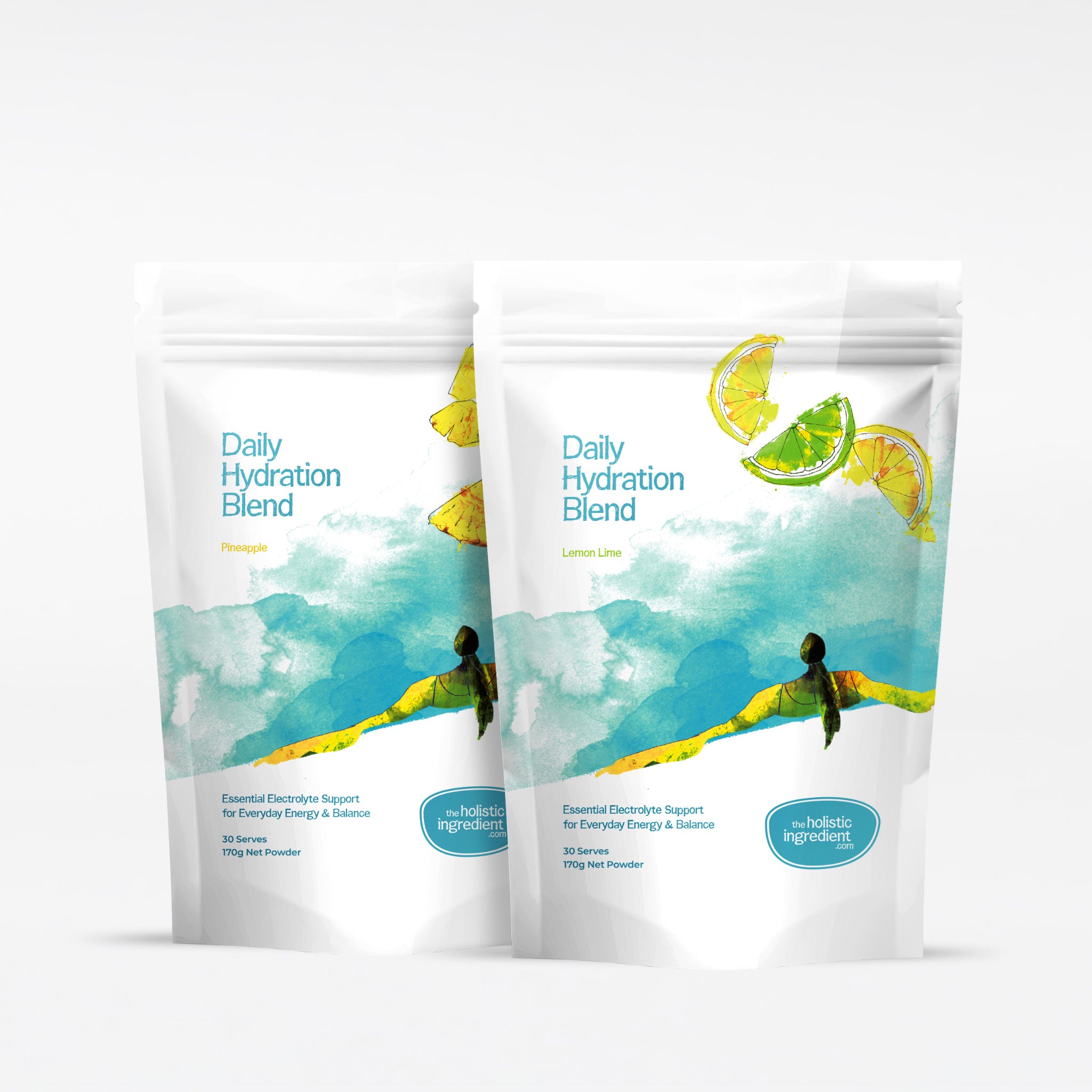
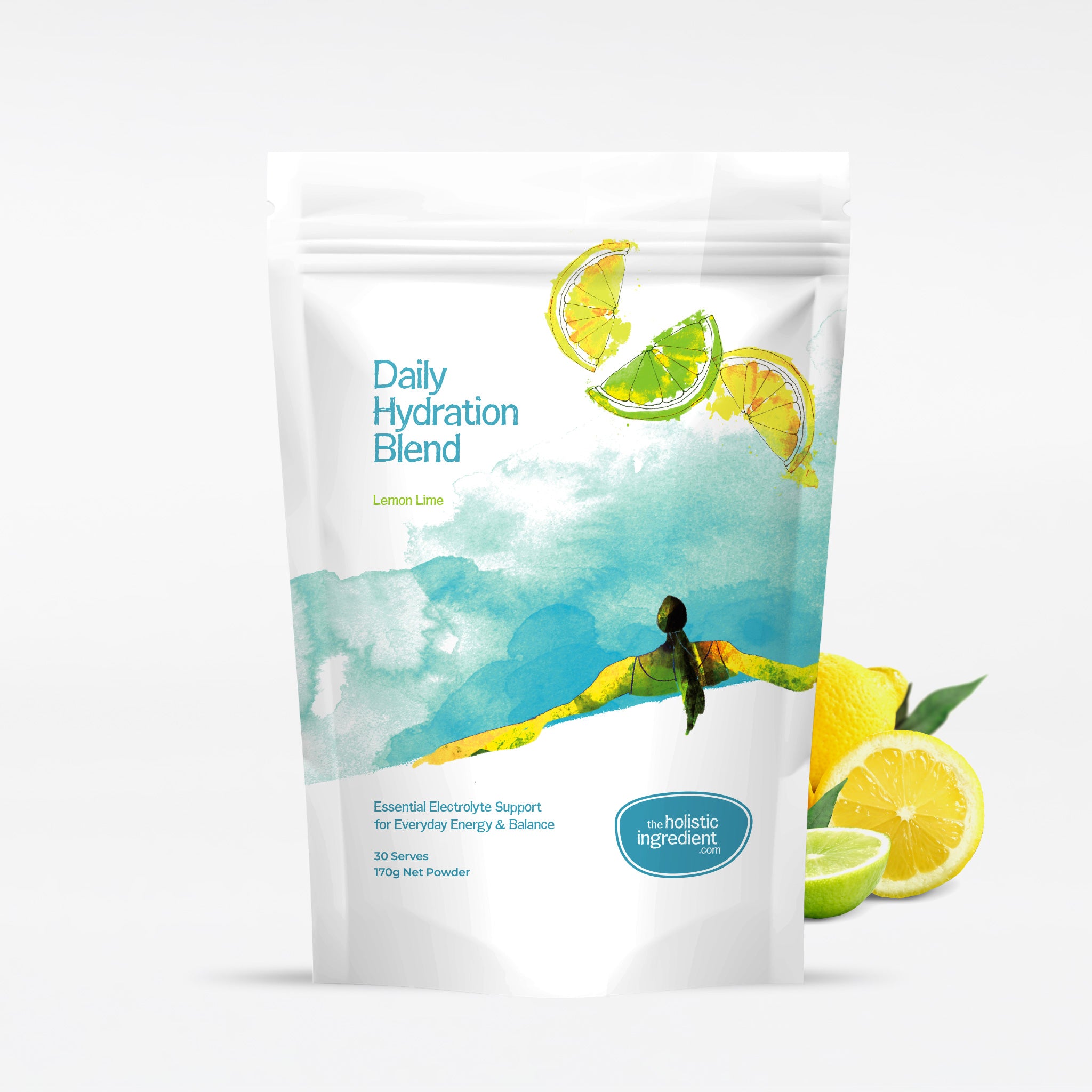
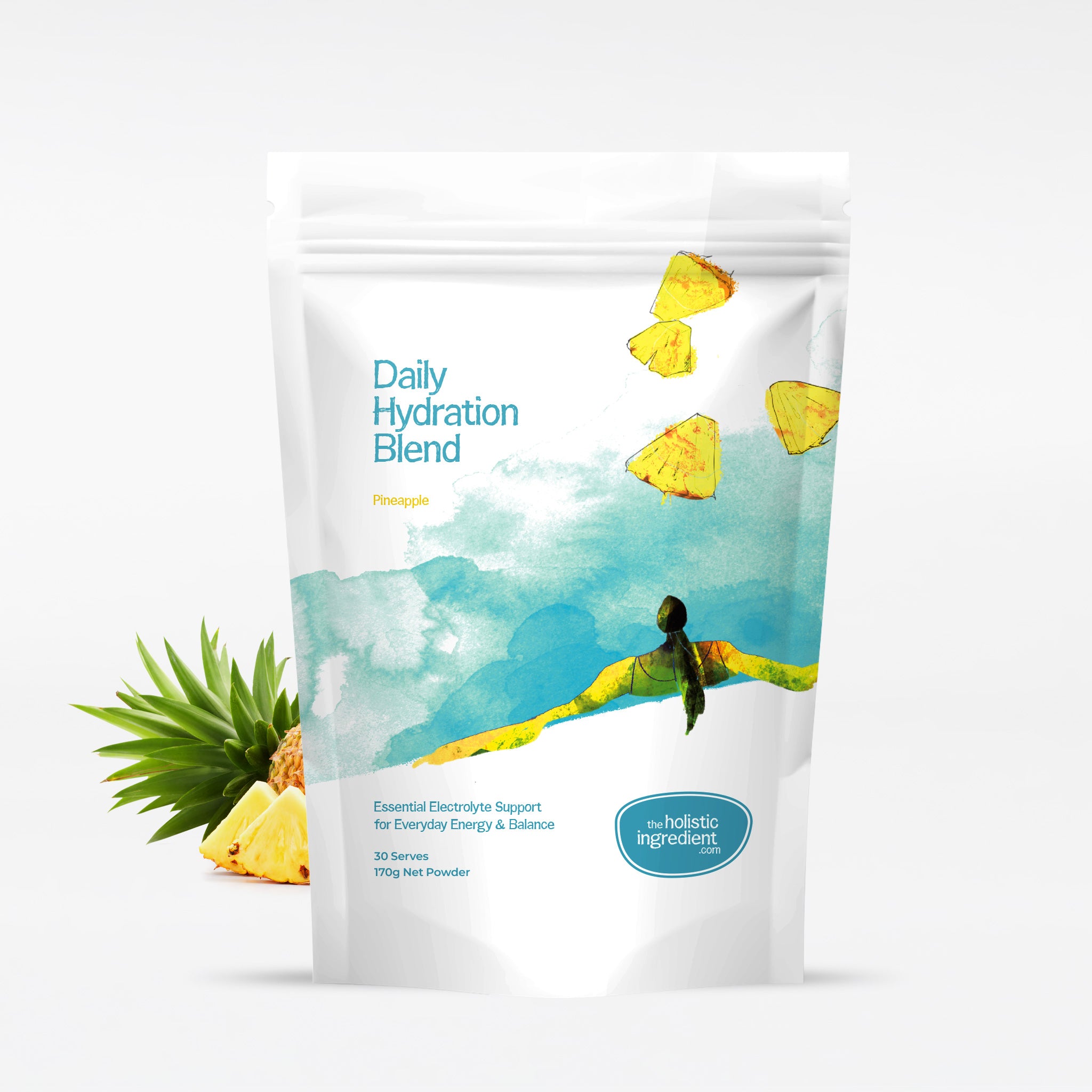
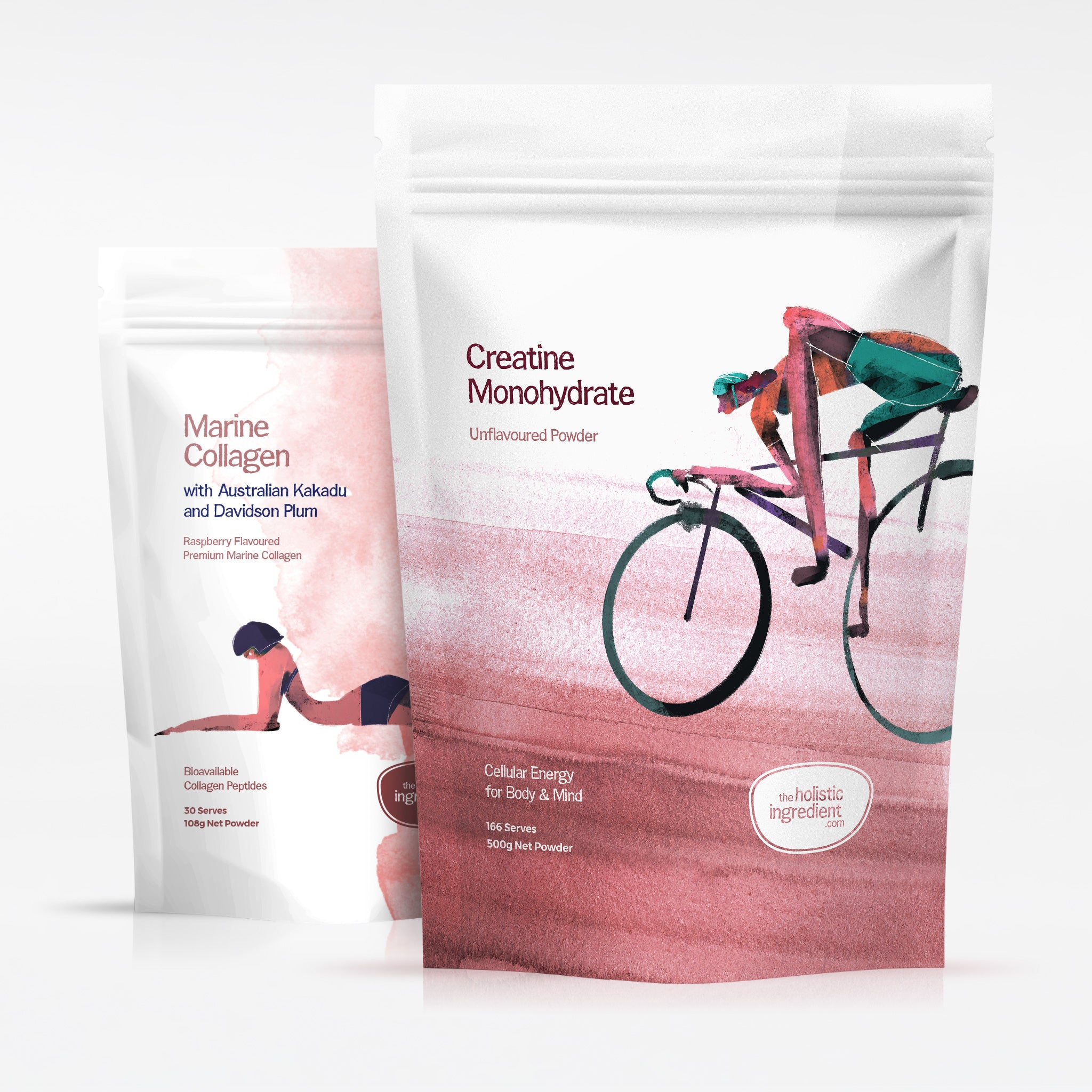
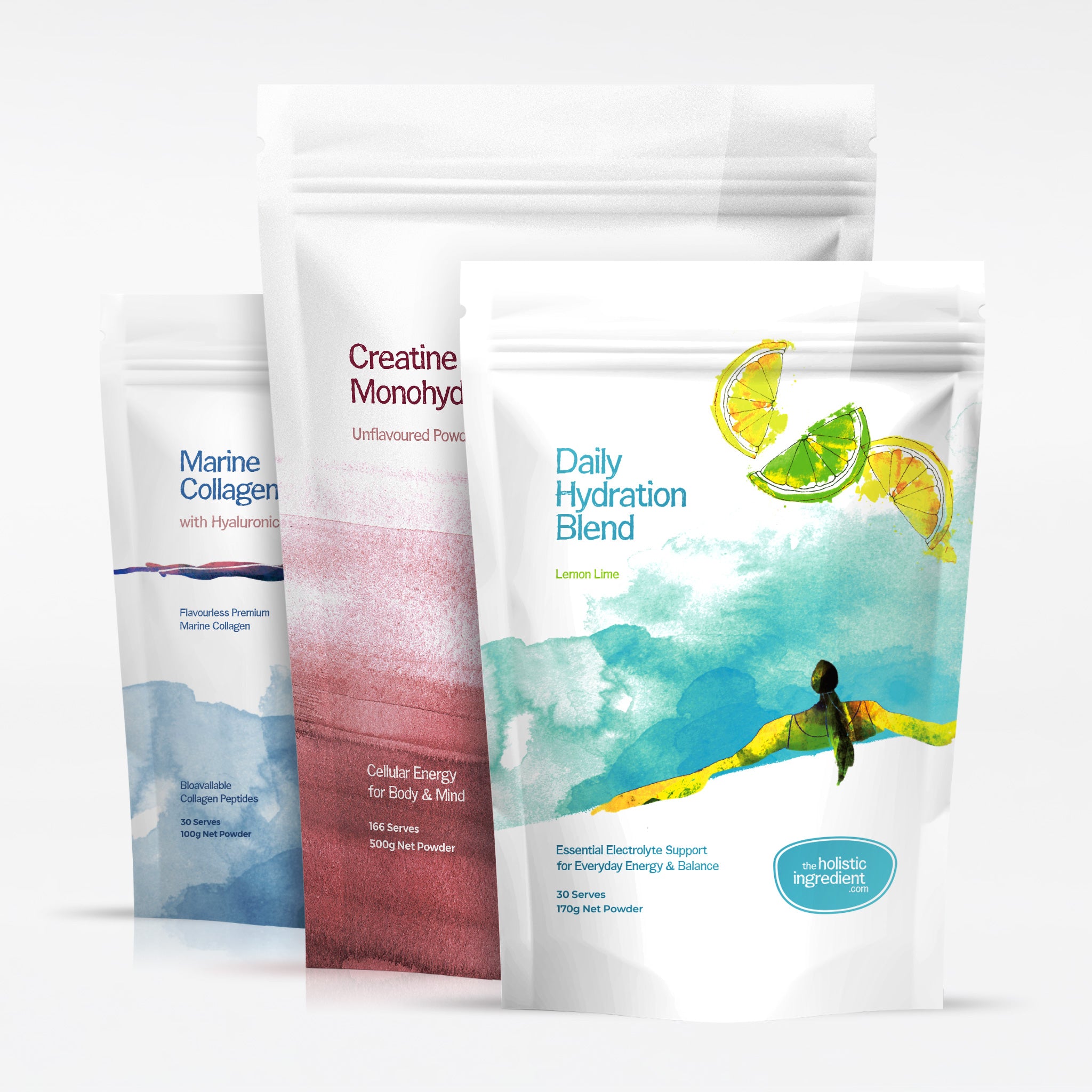
There’s a difference between highly processed, sodium-heavy foods and intentionally adding balanced electrolytes to support hydration. Used appropriately, electrolytes can be a simple daily support rather than something reserved for athletes. If you’re looking for a simple way to incorporate electrolytes into your day, you can explore our Daily Hydration blend here.
As always, if you have specific health conditions (particularly related to blood pressure or kidney health), it’s worth checking in with your practitioner.
When might you benefit from electrolytes?
There are some obvious times - like intense exercise or long endurance sessions - but many of us benefit from them in more everyday ways.
You might consider adding electrolytes if you:
Feel flat in the afternoon:
That familiar 3pm slump isn’t always about needing caffeine or sugar - sometimes it’s hydration.
Exercise or move your body regularly
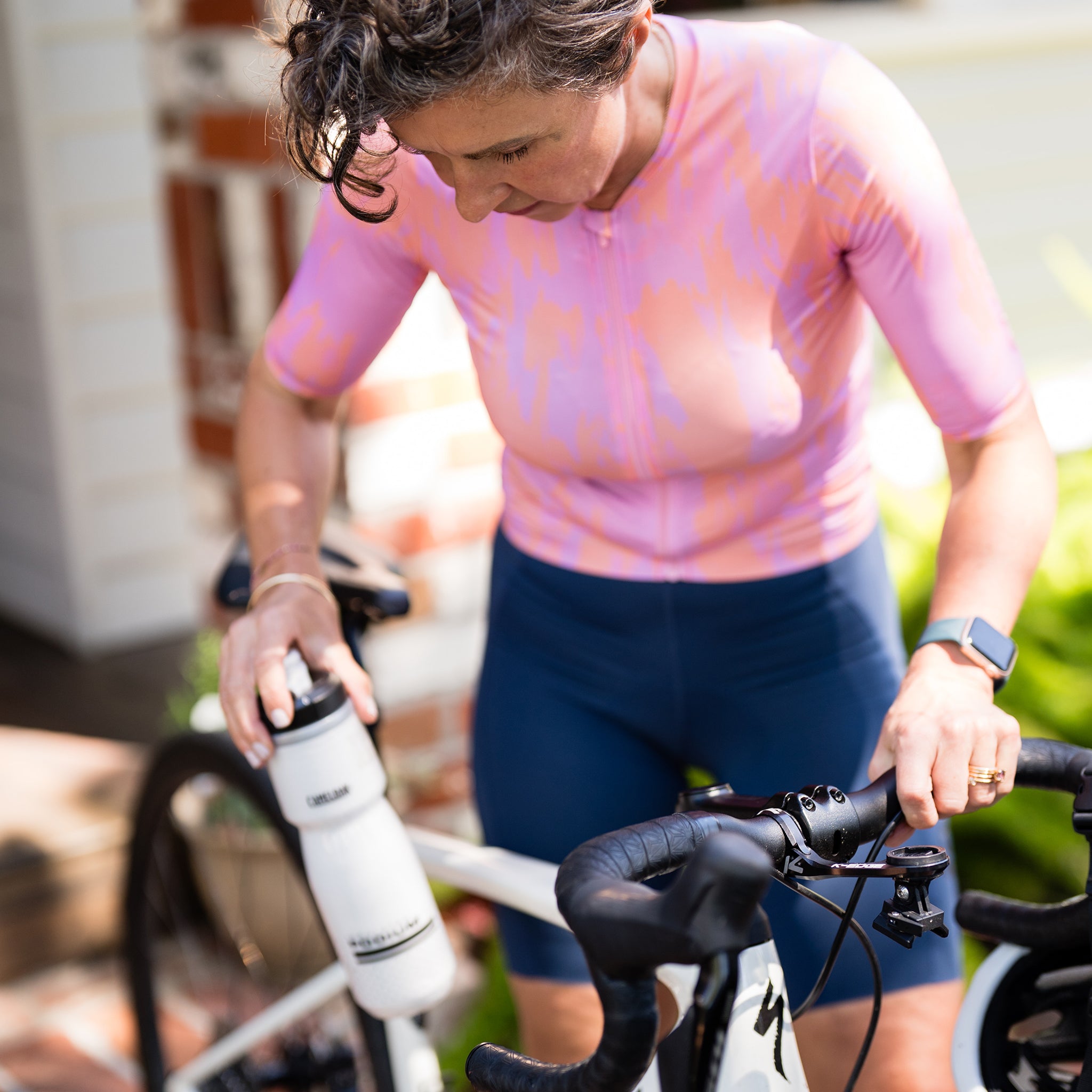
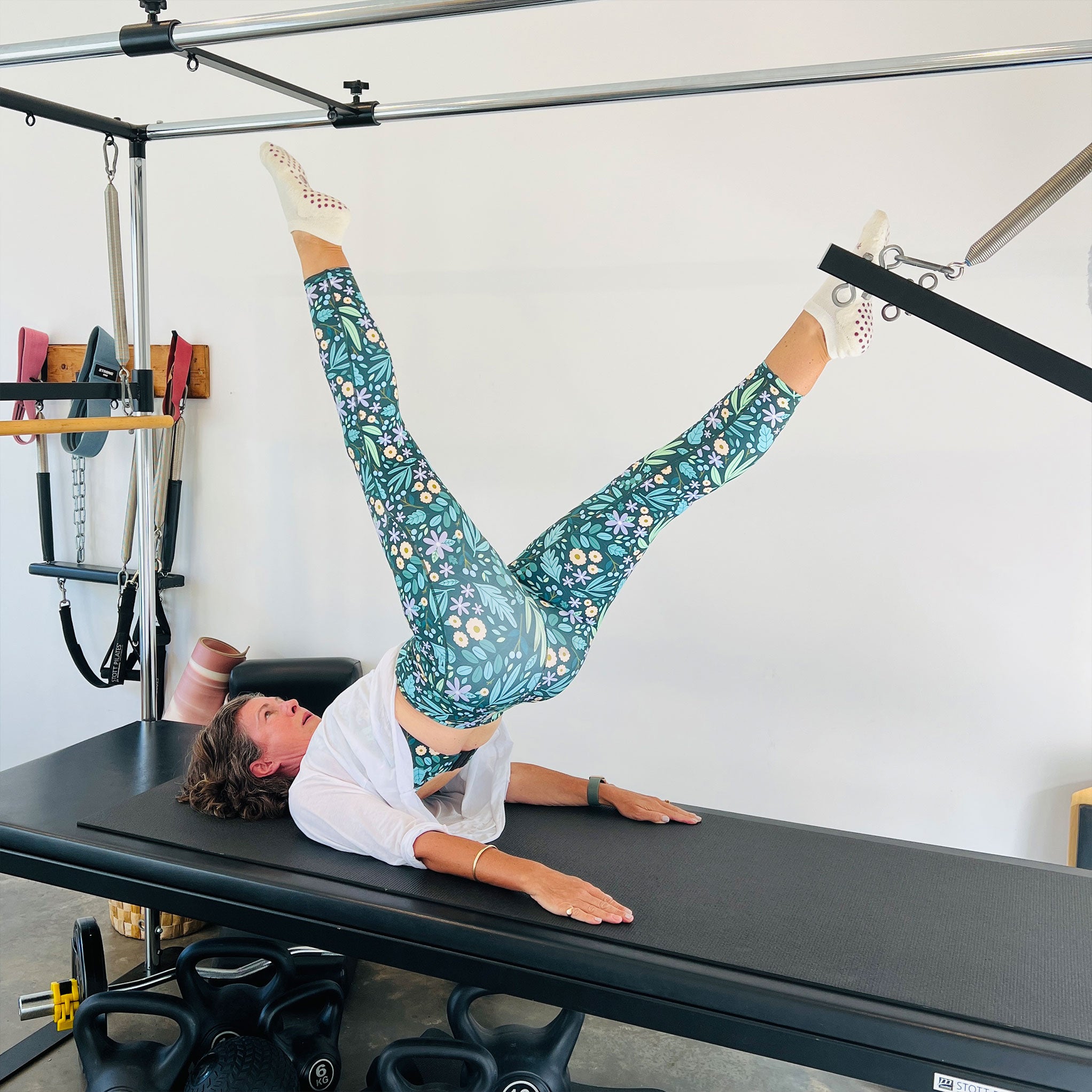
Even gentle movement (walking, pilates, cycling) increases your fluid and mineral needs.
Drink coffee daily
Coffee can increase fluid loss, which can leave you slightly depleted without realising.
Are heading into cooler months
Interestingly, we often drink less water in autumn and winter, because we’re not as thirsty - but our bodies still need hydration.
Feel “off” without a clear reason
Low-grade fatigue, brain fog, or headaches can sometimes come back to hydration status.
Travel or fly regularly
Cabin air is incredibly dehydrating, and electrolytes can make a noticeable difference.
A simple way to think about it
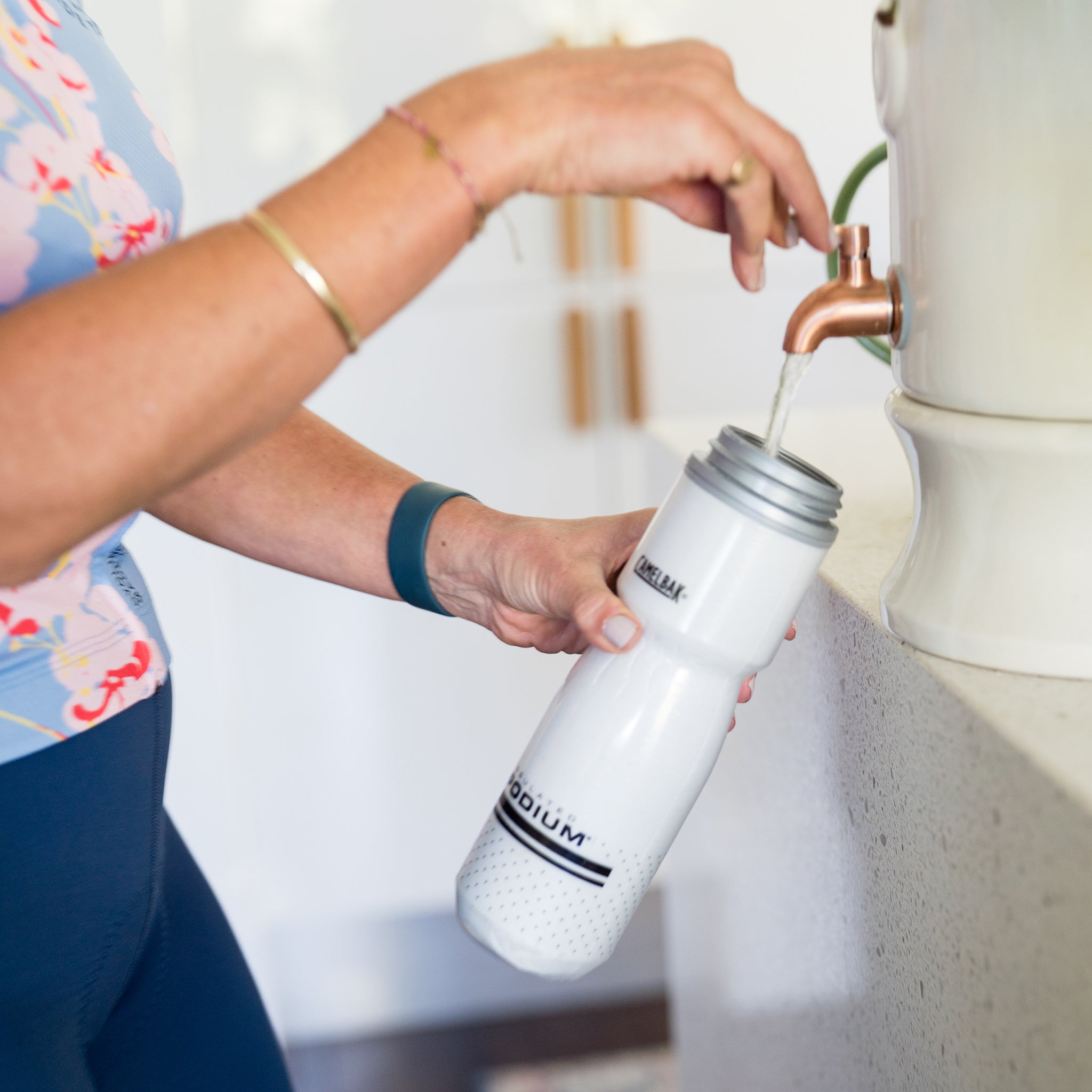
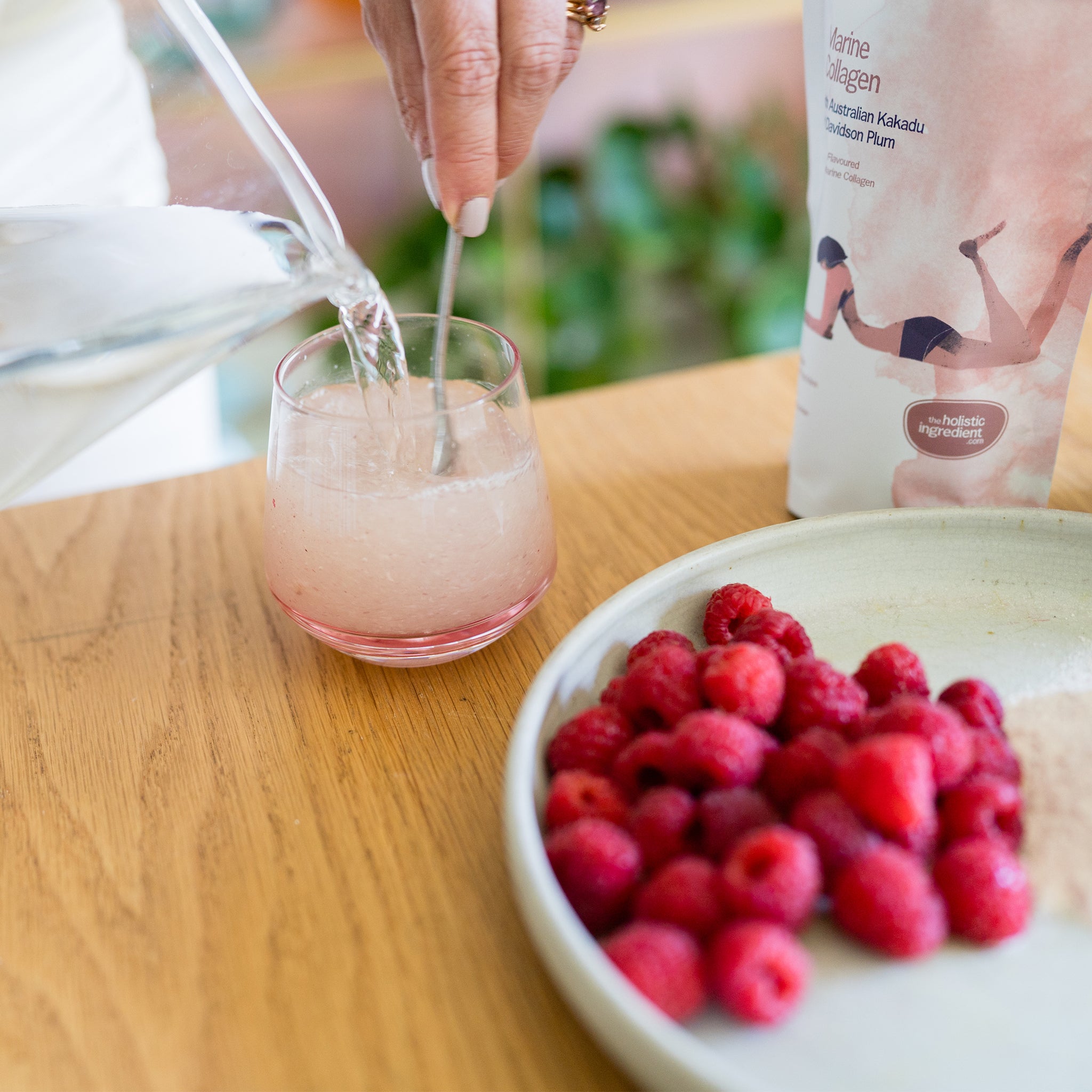
Hydration doesn’t need to be complicated. It’s not about tracking litres of water or forcing yourself to drink more than you want. It’s about supporting your body to absorb and use what you’re already drinking. For many people, adding electrolytes into one bottle of water each day is enough to feel a difference - especially when done consistently.
The takeaway
Electrolytes aren’t just for athletes or extreme situations.
They’re a simple, everyday way to support steady energy, clearer thinking, better hydration and overall how you feel in your body
And often, it’s the small, consistent things like this that make the biggest difference over time. If you’d like to make hydration a little easier to stay on top of, you can find our Daily Hydration blend here.